Choosing the right Circulation Heater Pump for your home demands attention to detail. Many homeowners skip Manual J load calculations or oversize equipment, leading to inefficiency:
|
Common Mistake
|
Explanation
|
|
Skipping Manual J load calculation
|
This leads to improper sizing of the unit, causing inefficiency.
|
|
Oversizing equipment
|
A unit that is too large cycles excessively, wasting energy and failing to dehumidify, which can lead to mold risk and discomfort.
|
You also want to avoid issues like mismatched mixing valves or incompatible systems. For peace of mind, compare trusted brands such as MASTER EAGLE.
Key Takeaways
-
Always perform a Manual J load calculation to ensure proper sizing of your circulation heater pump. This prevents inefficiency and costly mistakes.
-
Consider your home's heating system type and climate when selecting a pump. Matching these factors ensures optimal performance and energy savings.
-
Choose a circulation heater pump with high energy efficiency ratings. This reduces your energy bills and minimizes environmental impact.
Assessing Your Home’s Heating Needs
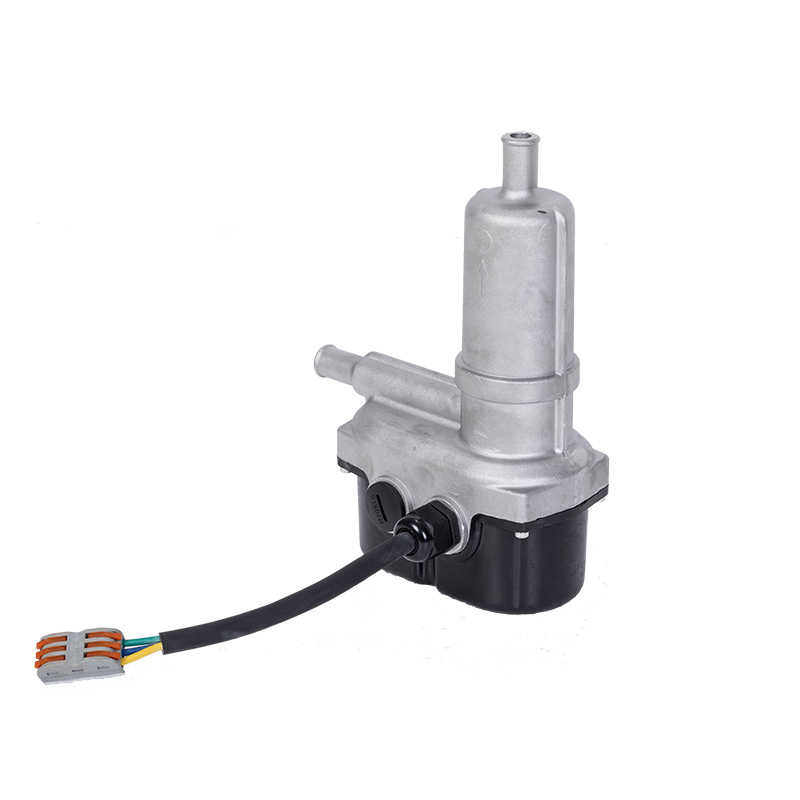
Identify Your Heating System Type
You need to start by identifying your current residential heating systems. The type of system in your home will determine which circulation heater pump works best. Here are the main options you may encounter:
-
Ducted air-source heat pumps: These systems can reduce electricity use for heating by up to 75% compared to traditional furnaces. They work well in homes with existing ductwork and deliver consistent comfort.
-
Ductless air-source heat pumps: If your home does not have ducts, this system offers efficient zone heating and lower energy use. You can target specific rooms for heating, which saves energy and money.
-
Minisplit heat pumps: This ductless variant provides a cost-effective alternative to baseboard heating. It suits homes without ductwork and offers flexible installation options.
You should also consider whether your system is compatible with air-source, geothermal, or hybrid models. Compatibility ensures you get optimal performance and long-term reliability from your new water circulation pump. If you want a trusted brand, MASTER EAGLE offers models that integrate seamlessly with most systems.
Calculate Right Size Heat Pump
Properly sizing a heat pump is critical for energy efficiency and comfort. Oversized or undersized units lead to hot and cold spots, higher energy costs, and frequent repairs. You can avoid these issues by following a proven process for determining the right size heat pump:
-
Schedule a home energy audit. This step uncovers insulation gaps, air leaks, and other factors affecting heat pump efficiency.
-
Request a Manual J load calculation from a qualified HVAC contractor. This method uses detailed measurements, not just square footage, to determine your heating needs.
-
Review efficiency ratings. Look for high SEER2 and HSPF2 values to maximize energy savings and ensure optimal performance.
-
Consider zoning. For large homes, multiple smaller units or zones may provide better comfort and lower energy consumption than one oversized system.
-
Consult a professional. Every home is unique, and an expert can recommend the best model and capacity for your situation.
If you skip these steps, you risk choosing a system that cycles too often or runs constantly. This increases energy consumption and shortens equipment life. Properly sizing a heat pump ensures your circulation heater pump delivers reliable comfort and efficiency.
Tip: Always insist on a Manual J calculation. This step prevents costly mistakes and guarantees the right size heat pump for your home.
Consider Climate and Space Size
Climate and space size are major factors affecting heat pump sizing. You must match the pump’s capacity to your region and the square footage of your home. Use the table below to estimate the BTUs needed for your space:
|
Climate Zone
|
BTUs per sq. ft.
|
Example BTU Range for 2,000 sq. ft. Home
|
|
Mild climates
|
30–35
|
60,000–70,000 BTUs
|
|
Moderate climates
|
40–50
|
80,000–100,000 BTUs
|
|
Cold climates
|
50–60+
|
100,000–120,000+ BTUs
|
If you live in a cold climate, you need a hot water circulation pump with higher capacity. Warmer regions require less output. Always consider both your local weather and your home’s size when selecting a water circulation pump. This approach guarantees energy efficiency and reduces unnecessary energy consumption.
You want a circulation heater pump that matches your needs, fits your installation space, and supports your comfort year-round. Choose a model from a reputable brand like MASTER EAGLE to ensure easy installation and reliable performance.
Key Features of Circulation Heater Pumps
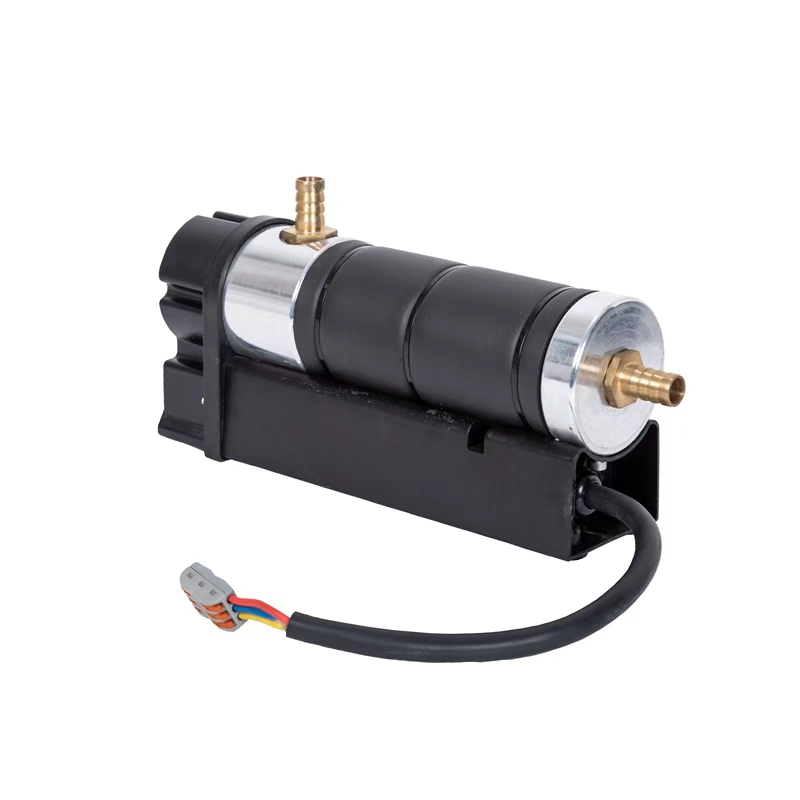
Demand-Defrost Control
You want your circulation heater pump to work efficiently, even in cold weather. Demand-defrost control makes this possible. This feature senses frost buildup and activates defrost cycles only when needed. You avoid unnecessary defrosting, which saves energy and reduces wear on your system. With demand-defrost control, you lower energy consumption and extend the life of your water circulation pump. Choose a model with this feature to enjoy consistent comfort and optimal performance, especially during winter.
Tip: Demand-defrost control can cut energy use by up to 10% compared to standard timed defrost systems.
Energy Efficiency Ratings
You should always check energy efficiency ratings before you buy a circulation heater pump. These ratings show how well the pump converts electricity into heat. High ratings mean you spend less on energy bills and reduce your environmental impact. The table below explains the most important ratings and how they affect your costs:
|
Efficiency Metric
|
Description
|
Impact on Operating Costs
|
|
COP
|
Snapshot under optimal conditions
|
Higher COP means less electricity used for the same heat output, reducing costs
|
|
SCOP
|
Average over a simulated heating season
|
Reflects seasonal performance, influencing annual cost efficiency
|
|
SPF
|
Real-world average over a year
|
Higher SPF indicates more heat produced per kWh, leading to lower long-term costs
|
Look for a water circulation pump with a high COP, SCOP, and SPF. These ratings guarantee better heat pump efficiency and lower energy bills over time. MASTER EAGLE models often lead the market in these categories, giving you peace of mind and long-term savings.
Noise Levels (37-50 dB)
Noise matters when you want a quiet and comfortable home. Many circulation heater pumps operate between 37 and 50 decibels, which is about as loud as a quiet conversation. Lower noise levels mean you can relax, sleep, or work without distraction. Always check the noise rating before you buy. If you place your hot water circulation pump near bedrooms or living spaces, choose a quieter model. MASTER EAGLE offers pumps designed for silent operation, so you enjoy warmth without the hum.
Pump Types: Monobloc vs. Split
You need to decide between monobloc and split systems for your water circulation pump. Each type has unique benefits. The table below compares the two options:
|
Feature
|
Split Heat Pumps
|
Monobloc Heat Pumps
|
|
Units
|
Two units: indoor + outdoor
|
All components in one outdoor unit
|
|
Performance in Cold Climates
|
Better performance in very cold climates
|
Less effective in extreme cold
|
|
Installation Complexity
|
More complex installation and higher upfront costs
|
Faster and easier installation, lower costs
|
|
Space Requirements
|
Requires more indoor space
|
Compact solution with minimal indoor space required
|
|
Freeze Protection
|
Lower freezing risk
|
Outdoor hydraulic pipes require freeze protection
|
If you want quick installation and have limited indoor space, a monobloc system works best. If you live in a very cold climate, a split system delivers better performance. MASTER EAGLE provides both options, so you can select the right size heat pump for your needs.
Material Durability
Material quality determines how long your circulation heater pump will last. You should choose a model built with corrosion-resistant materials. The right materials prevent leaks, resist aging, and handle temperature changes. Pumps with commercial-grade copper heat exchangers transfer heat efficiently, while stainless steel parts protect against rust. Seals and pump bodies must withstand high temperatures and pressure to avoid breakdowns. Good material choices mean less maintenance and fewer repairs.
-
The type of coolant affects material selection. Corrosion resistance ensures longevity.
-
High operating temperatures require compatible materials to maintain performance.
-
Durable seals and pump bodies prevent leaks and extend service life.
A well-built pump can last over 10 years, especially if you maintain it and use treated water. MASTER EAGLE models use top-quality materials for reliable operation and minimal maintenance.
Note: Regular maintenance and good water quality help your circulation heater pump reach its full lifespan.
Choosing the Best Hot Water Circulation Pump
System Compatibility
You must ensure your hot water circulation pump matches your existing heating system. Compatibility affects performance, reliability, and long-term satisfaction. When choosing the right model, consider these factors:
-
Proper pump sizing guarantees efficient and comfortable heating.
-
Required flow rate ensures instant hot water delivery.
-
Head pressure must match your system’s resistance.
-
System layout and zoning impact circulation and optimal performance.
-
Operating temperature and fluid compatibility protect your investment.
-
Energy efficiency reduces energy consumption and lowers bills.
Selecting a pump that fits your system prevents costly mistakes. You want a circulation heater pump that works seamlessly with your home’s setup. This approach supports reduced water waste and consistent comfort.
Installation Space
You need to check the available space before installation. The right size heat pump or water circulation pump must fit your mechanical room or designated area. Use the table below to compare space requirements for different types of pumps:
|
Type of Pump
|
Required Space
|
|
Heat Pump Water Heater
|
0.5-1 m² floor space
|
|
Integrated Hydronic Tanks
|
0.5-0.8 m² floor space
|
Choosing the right model means you avoid cramped installations and ensure proper airflow. A compact circulation heater pump saves space and simplifies installation steps. Always measure your area before selecting a pump.
Professional vs. DIY Installation
You face a choice between professional and DIY installation. Each option has unique benefits and costs. DIY installation costs usually range from $200 to $400. You save money upfront, but you must follow all installation steps carefully to avoid leaks or poor performance. Professional installation guarantees optimal performance and compliance with local codes. Experts handle complex wiring, zoning, and circulation adjustments. You gain peace of mind and protect your warranty.
Tip: If you want the best results and long-term reliability, choose professional installation for your water circulation pump.
Comparing Brands: MASTER EAGLE and Others
Brand selection matters when choosing the right model. MASTER EAGLE stands out for advanced technology, high heat pump efficiency, and reliable customer support. Compare MASTER EAGLE with other brands using the table below:
|
Brand
|
Energy Efficiency
|
Warranty
|
Customer Reviews
|
Maintenance Ease
|
Replacement Parts Availability
|
|
MASTER EAGLE
|
High
|
5-10 yrs
|
4.8/5
|
Easy
|
Widely available
|
|
Brand B
|
Moderate
|
3-5 yrs
|
4.2/5
|
Moderate
|
Limited
|
|
Brand C
|
High
|
5 yrs
|
4.5/5
|
Easy
|
Moderate
|
MASTER EAGLE offers on-demand circulation pumps, standard circulation pumps, and models designed for reducing energy costs. You benefit from strong warranties, positive customer reviews, and easy access to replacement parts. Choosing the right model from a trusted brand ensures optimal performance and satisfaction.
Maintenance and Replacement Parts
Regular maintenance keeps your water circulation pump running smoothly and extends its lifespan. You should follow these tasks:
-
Monthly: Check the system pressure gauge (12-25 PSI), listen for unusual noises, and inspect for moisture or corrosion.
-
Annually: Bleed air from the hydronic loop, flush sediment, inspect expansion tank pressure, test zone valves, verify flow rate, and check all gaskets and seals.
Easy access to replacement parts simplifies repairs and reduces downtime. MASTER EAGLE and other leading brands provide excellent support and part availability. You enjoy reliable operation and lower energy consumption with proper care.
Note: Routine maintenance and quick part replacement protect your investment and guarantee efficient operation year after year.
When selecting a pump, focus on energy efficiency, ease of maintenance, and strong brand support. You will enjoy instant hot water, lower energy bills, and a comfortable home with the right size heat pump and the best circulation heater pump for your needs.
You can select the right circulation heater pump by following these steps:
-
Choose the best heat pump type for your home.
-
Calculate the correct size unit.
-
Set your budget.
-
Verify installation details.
A high-quality, energy-efficient pump like MASTER EAGLE delivers energy savings, year-round comfort, and reliable performance.
FAQ
How do you know which circulation heater pump fits your home?
You check your heating system type, calculate the right size, and compare trusted brands like MASTER EAGLE for compatibility and efficiency.
Can you install a circulation heater pump yourself?
You can install some models yourself. Professional installation guarantees optimal performance, protects your warranty, and ensures safe operation.
What maintenance does a circulation heater pump need?
You inspect for leaks, check pressure, and clean filters monthly. Annual tasks include flushing sediment and testing zone valves for reliable performance.
 English
 русский
 Español



 IPv6 network supported


