Blogs - fzmastereagle.com
China Manufacturer of Inverter Water Pump,Bottled Water System
Blog
  • How VFD Technology in Inverter Pumps Saves Up to 60% on Energy Costs
    May 11, 2026
    When it comes to reducing operational expenses in water supply systems, one technology stands out: Variable Frequency Drive (VFD) technology. Combined with intelligent inverter pumps, VFD technology can achieve energy savings of up to 60% compared to traditional constant-speed pumps. But how exactly does this work, and what does it mean for your business? In this article, we break down the science behind VFD energy savings, real-world performance data, and why MASTER EAGLE inverter pumps are engineered to maximize efficiency. What Is VFD Technology? A Variable Frequency Drive (VFD) is an electronic controller that adjusts the frequency and voltage supplied to an electric motor. By varying the motor speed to match actual demand — rather than running at full speed all the time — a VFD eliminates wasted energy. In traditional pumps, the motor runs at a constant speed regardless of water demand. Excess pressure is relieved through mechanical valves, wasting significant amounts of electricity. With VFD technology, the pump precisely matches speed to flow requirements, delivering only the power needed at any given moment. The Affinity Laws: The Science Behind the Savings The energy-saving potential of VFD pumps is rooted in the Affinity Laws of centrifugal pumps: Flow ∝ Speed: Pump flow is proportional to motor speed. Pressure ∝ Speed²: Pressure increases with the square of speed. Power ∝ Speed³: Power consumption is proportional to the cube of speed. This cubic relationship is the key. If you reduce pump speed by just 20%, power consumption drops by nearly 50% (0.8³ = 0.512). A 30% speed reduction cuts power usage by approximately 66%. This is why VFD inverter pumps can achieve energy savings of 60% or more in real-world applications. Traditional Pumps vs. VFD Inverter Pumps: A Cost Comparison Factor Traditional Constant-Speed Pump VFD Inverter Pump Motor Speed Fixed (100% always) Variable (matches demand) Energy Consumption 100% at all times 40–70% of rated (partial load) Pressure Regulation Control valve (inefficient) Variable speed (efficient) Start-up Current High (6–8x rated) Soft start (low inrush) Annual Electricity Cost (Example) $2,800 ~$1,120 (60% savings) Motor Wear & Tear High (mechanical stress) Low (smooth operation) Real-World Energy Savings with MASTER EAGLE Intelligent Pumps Our Intelligent Inverter Pump series incorporates advanced VFD control with a permanent magnet synchronous motor (PMSM), delivering exceptional efficiency across the entire operating range. Unlike induction motors used in conventional pumps, the PMSM rotor maintains synchronism with the stator field, eliminating slip losses and improving part-load efficiency by an additional 5–10%. In field tests: A 3HP Variable Frequency Pump operating in a residential boosting application achieved 62% energy savings compared to the previous constant-speed system. Customer water pressure remained perfectly constant at the set point, with zero complaints about pressure fluctuations. Motor noise was reduced by 40%, and vibration decreased significantly, extending the service life of pipes and fittings. Additional Benefits Beyond Energy Savings VFD technology doesn't just save electricity. It provides a range of operational and maintenance benefits: Soft Start & Stop: Eliminates water hammer and pipe surge, reducing the risk of burst pipes and fitting damage. Constant Pressure: Maintains a consistent water pressure regardless of how many taps are open — no more pressure drops when someone turns on a shower. Extended Equipment Life: Reduced mechanical stress on seals, bearings, and impellers means fewer repairs and replacements. WiFi Remote Monitoring: Our inverter pumps connect to an intelligent APP cloud platform, allowing you to start/stop the pump, adjust pressure, and monitor energy usage from your phone anytime, anywhere. Lower Noise Levels: Operating at reduced speeds produces less noise — ideal for residential and office environments. Conclusion For any facility using pumps for water supply, pressure boosting, or circulation, switching from constant-speed pumps to VFD inverter pumps is one of the most effective energy-saving investments available. The 60% energy savings aren't just a marketing promise — they are backed by the fundamental physics of centrifugal pumps and demonstrated in real installations worldwide. If you are evaluating pump solutions for a new project or considering upgrading an existing system, contact the MASTER EAGLE team for a consultation and energy savings analysis. Let us help you reduce your operating costs while improving water system performance.
    Read More
  • Why Intelligent Inverter Pumps Are the Future of Water Pressure Management
    May 07, 2026
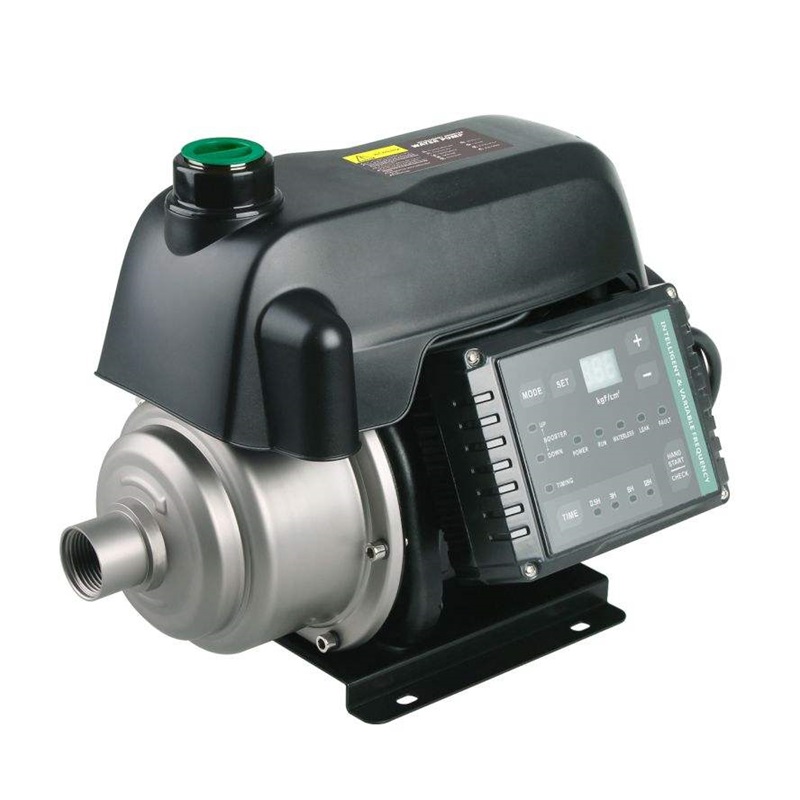
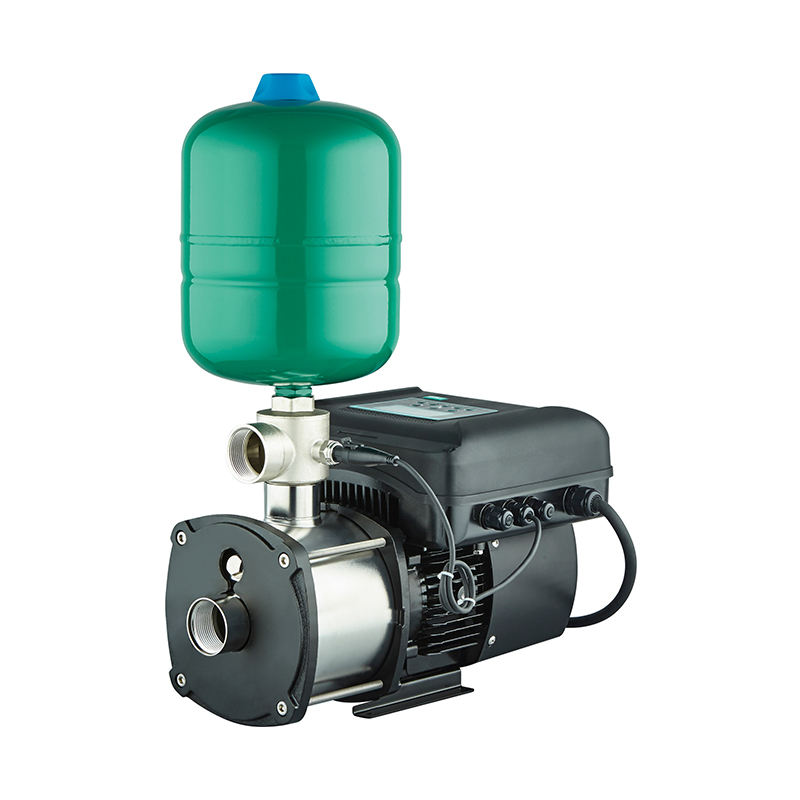
    Introduction Water pressure problems are a universal headache — whether you're running a household in a suburban villa, managing an apartment building, or operating a commercial facility. Fluctuating pressure, skyrocketing electricity bills, and noisy pump operation are complaints we hear every day. Enter the intelligent inverter pump — a game-changing solution that combines Variable Frequency Drive (VFD) technology with smart control systems. These pumps don't just move water; they think about how to do it efficiently. At MASTER EAGLE, we've been at the forefront of this technology, manufacturing intelligent inverter pumps that are transforming water pressure management across residential, commercial, and agricultural applications worldwide. What Is an Intelligent Inverter Pump? An intelligent inverter pump, also known as a VFD water pump or variable frequency drive pump, is a water pump equipped with an integrated VFD controller that automatically adjusts the motor speed based on real-time water demand. Unlike traditional pumps that run at full speed all the time — wasting energy and putting stress on the plumbing system — an intelligent inverter pump continuously modulates its speed. When you open a tap, the pump speeds up. When you close it, the pump slows down or stops. The result? Constant water pressure, dramatically reduced energy consumption, and longer equipment life. How VFD Technology Works in Water Pumps The heart of an intelligent inverter pump is its Variable Frequency Drive. Here's a simplified breakdown of how it works: Component Function Pressure Sensor Continuously monitors outlet water pressure in real time VFD Controller Adjusts the frequency and voltage supplied to the motor Permanent Magnet Motor Converts electrical energy into mechanical rotation with high efficiency LCD Display Panel Shows operating status, pressure settings, and fault alerts Wi-Fi Module (Optional) Enables remote monitoring and control via smartphone APP The system works in a closed-loop feedback cycle: the pressure sensor detects any drop or rise in water pressure → the VFD controller instantly adjusts the motor speed → the pump delivers precisely the flow needed to maintain the target pressure. Key Benefits of Intelligent Inverter Pumps 1. Energy Savings of Up to 60% Traditional fixed-speed pumps operate at 100% capacity regardless of actual demand. In contrast, an intelligent inverter pump only uses the energy required for the current demand level. By eliminating unnecessary full-speed operation, energy savings of 30%–60% are commonly achieved — a significant reduction in operational costs over the pump's lifespan. 2. Constant Water Pressure No more dealing with pressure drops when someone turns on a second tap or flushes a toilet. The VFD system ensures the water pressure remains perfectly stable, providing a comfortable and consistent user experience. 3. Reduced Noise Levels Because the pump rarely runs at full speed, intelligent inverter pumps operate much quieter than traditional pumps. The CHM-DC series from MASTER EAGLE, for example, features low-noise operation that makes it ideal for residential installations where noise is a concern. 4. Extended Equipment Lifespan Traditional pumps suffer from frequent start-stop cycles and continuous high-speed operation, leading to accelerated wear on bearings, seals, and impellers. VFD technology provides soft-start and soft-stop functionality, dramatically reducing mechanical stress and extending the pump's service life. 5. Smart Control and Remote Monitoring Modern intelligent inverter pumps come with Wi-Fi connectivity and dedicated mobile apps. Users can start or stop the pump, set desired working pressure, and monitor performance — all from their smartphone, anytime, anywhere. MASTER EAGLE's Intelligent Inverter Pump Series Our CHM-DC series inverter pump exemplifies the best in intelligent water pump technology. Available in multiple configurations to suit different applications: Model Power Max Flow Max Head Voltage Inlet/Outlet CHM4-4DC 3 HP / 2.2 kW 10.5 m³/h 82 m 220V 50/60Hz 1" x 1" CHM6-4DC 3 HP / 2.2 kW 10.5 m³/h 82 m 220V 50/60Hz 1 1/4" x 1" CHM8-3DC 3 HP / 2.2 kW 13 m³/h 55 m 220V 50/60Hz / 380V 3~ 1 1/2" x 1 1/2" CHM12-3DC 3 HP / 2.2 kW 16 m³/h 55 m 220V 50/60Hz / 380V 3~ 2" x 2" All models feature SUS304 stainless steel pump bodies, permanent magnet synchronous motors, digital LCD control panels, and multiple operating modes including booster-up, booster-down, and timed tank filling. Applications Across Industries Intelligent inverter pumps are versatile enough to serve a wide range of applications: Residential Water Supply: Constant pressure for showers, faucets, and appliances in multi-story homes and villas Water Pressure Boosting: Ideal for areas with low mains water pressure or buildings with rooftop tanks Irrigation Systems: Efficient water delivery for farms, greenhouses, and landscaped gardens Cooling and Heating Systems: Circulation pumps for HVAC and industrial process systems Water Transfer: Reliable pumping for water storage and distribution networks Why Choose MASTER EAGLE as Your Intelligent Inverter Pump Supplier? When selecting a partner for your water pumping needs, quality and reliability matter. Here's why MASTER EAGLE stands out: ✅ CE-Certified Quality: Every pump undergoes rigorous testing before shipment ✅ OEM/ODM Capabilities: Custom voltage, frequency, and branding options available ✅ Global Export Experience: Serving clients across the Middle East, Africa, and beyond since 2017 ✅ End-to-End Support: From installation guidance to after-sales maintenance ✅ Competitive Pricing: Factory-direct pricing with no middleman markup Conclusion The shift from traditional fixed-speed pumps to intelligent inverter pumps is not just a trend — it's the future of water pressure management. With VFD technology delivering energy savings, constant pressure, quiet operation, and smart connectivity, these pumps represent a smarter investment for any water system. Whether you're a homeowner looking to upgrade your water pressure, a contractor specifying equipment for a new building, or a distributor seeking a reliable self-priming inverter water pump, MASTER EAGLE's product line delivers the performance, durability, and value you need. Contact us today to discuss your project requirements and discover the MASTER EAGLE difference.
    Read More
  • Why Intelligent Inverter Pumps Are the Future of Water Pressure Management
    Apr 28, 2026
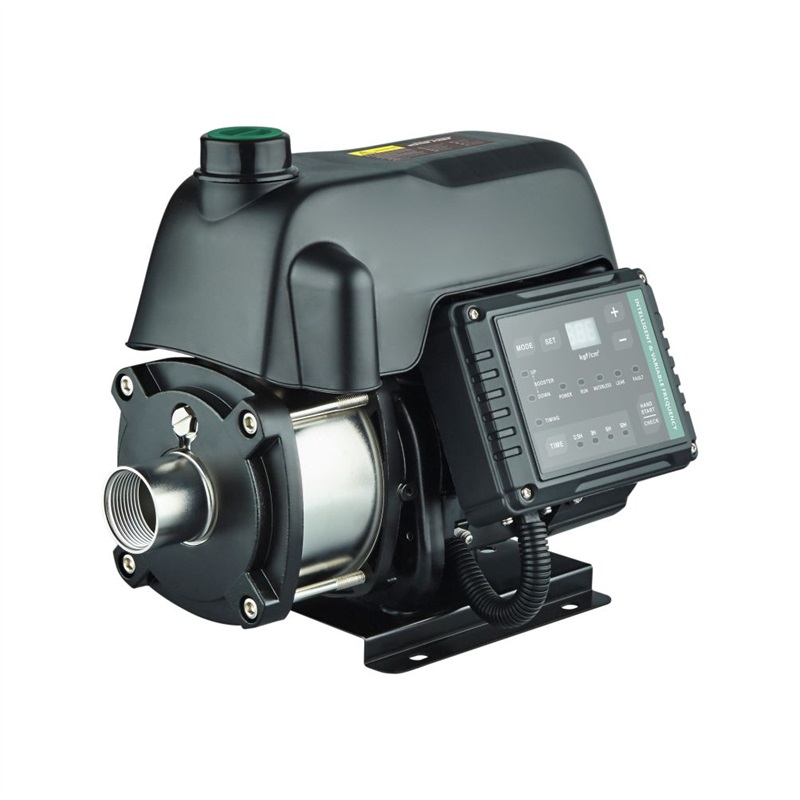
    Have you ever wondered why some buildings never seem to run out of strong water pressure, while others struggle every time a second tap opens? The answer lies in the pump technology behind the walls. For decades, water pressure management relied on constant-speed pumps that had no way to adapt. Today, that is changing — and the intelligent inverter pump is leading the revolution. Unlike conventional pumps that run at a fixed speed regardless of need, an inverter pump uses Variable Frequency Drive (VFD) technology to think on its feet. It senses exactly how much water is being used and adjusts its motor speed instantly. No waste. No pressure drops. No energy burned for nothing. What Makes a Pump "Intelligent"? An intelligent inverter pump is fundamentally different from a traditional pump in one important way: it has a brain. A built-in micro controller constantly reads the water pressure in the pipes. When it detects that pressure has dropped because someone opened a tap, it tells the motor to speed up. When the tap closes and pressure rises, it tells the motor to slow down. This real-time feedback loop means the pump never runs faster than it has to. The result is smooth, silent, and highly efficient operation that traditional pumps simply cannot match. MASTER EAGLE's CHM-DC Series Intelligent Inverter Pump is designed around this principle. It combines a multi-stage centrifugal pump body with a smart VFD controller, delivering precisely the right pressure for every situation. Section 1 — How a Traditional Pump Wastes Energy To appreciate the inverter pump, it helps to understand what it replaces. A standard AC pump works like a light switch — it is either ON at full power or OFF completely. When it turns on, it pushes water at maximum pressure, even if only a small trickle is needed. When no one is using water, the pressure builds to the cut-off point, the pump shuts off, and the cycle repeats. This "start-stop" cycling is inefficient for three reasons: High inrush current every time the motor starts, spiking electricity consumption Pressure surges that stress pipes, joints, and fixtures Mechanical wear from frequent hard starts and stops In contrast, an inverter pump glides smoothly between speeds, eliminating these problems entirely. The APG Series variable frequency booster pump from MASTER EAGLE uses a permanent magnet synchronous motor that is far more efficient than the induction motors found in traditional pumps. Section 2 — Real Places Where Inverter Pumps Make a Difference Intelligent inverter pumps are already transforming water pressure management across different environments. Here is how they perform in three real-world settings: Setting Without Inverter Pump With Inverter Pump 3-story villa, 4 bathrooms Pressure drops when 2 showers run simultaneously; pump cycles on/off loudly all day Steady pressure regardless of usage; pump hums quietly and only works as hard as needed Small hotel with 20 rooms Guests complain about weak showers during peak hours; electricity bill is high All rooms get consistent pressure; energy cost drops noticeably within months Farm irrigation for 2 hectares Manual valves cause water hammer; pump runs at full speed even for drip irrigation Automated pressure control; pump matches the exact flow rate of each irrigation zone These are not hypothetical scenarios. They are exactly the kind of problems that MASTER EAGLE's Self-priming Inverter Water Pump CHM-Z Series solves for customers around the world every day. Section 3 — The Technology Inside: VFD + Permanent Magnet Motor The heart of an intelligent inverter pump is the Variable Frequency Drive. The VFD converts incoming AC power to DC, then synthesizes it back to AC at whatever frequency the motor needs. Changing the frequency changes the motor speed — and therefore the pump's flow rate and pressure. When paired with a permanent magnet synchronous motor (PMSM), the efficiency gains are dramatic: Induction motor (traditional): 70-80% efficiency PMSM (inverter pump): 90-95% efficiency Overall system energy savings: 30-60% The APG Series is a prime example of this technology in action. Its permanent magnet motor generates more torque per amp than conventional motors, meaning it delivers more water with less electricity. Section 4 — Longevity: Why Inverter Pumps Outlast Traditional Ones A pump's lifespan is largely determined by how gently it is treated. Traditional pumps experience violent pressure spikes every time they start, which stresses seals, bearings, and impellers over time. Inverter pumps, by contrast, start softly and ramp up gradually. The CHM-DC Series features built-in soft-start, dry-run protection, and over-temperature safeguards — all of which contribute to a service life that can exceed 10 years with proper maintenance. That is significantly longer than the typical 5-7 year lifespan of a standard pump. Other durability features include: Anti-freeze cycling to protect the pump in cold climates Stainless steel pump body for corrosion resistance Sealed electronics immune to dust and moisture Section 5 — Smart Control: WiFi and Remote Management One of the most exciting developments in modern inverter pumps is WiFi connectivity. MASTER EAGLE's intelligent pump systems allow users to: Monitor real-time pressure and power consumption from a smartphone Set schedules for different pressure levels throughout the day Receive alerts if the pump detects a leak or abnormal operation Adjust settings remotely without needing to visit the installation site This level of control was previously reserved for large commercial building management systems. Today, it is available for homes, farms, and small businesses — at a fraction of the cost. Section 6 — The Cost Question: Is an Inverter Pump Worth the Investment? It is true that an intelligent inverter pump costs more upfront than a standard pump. A high-quality unit like the CHM-DC Series may cost 2-3 times what a basic pressure pump costs. However, the total cost of ownership tells a different story. A typical household using a traditional pump might spend approximately $400-600 per year on electricity for water pumping. An inverter pump can cut that to $200-300. Add in reduced maintenance costs and longer lifespan, and the payback period is typically 12-18 months. After that, every year of operation is pure savings — making the inverter pump the more economical choice over any meaningful time horizon. The Verdict: A Smarter Way to Move Water Intelligent inverter pumps are more than just a technological upgrade. They represent a fundamental shift in how we think about water pressure management — from brute force to precision, from constant waste to adaptive efficiency. MASTER EAGLE offers a full range of inverter pump solutions, from the compact CHM-Z Series for homes to the high-flow CHM-DC Series for commercial applications. Each pump is built to the same rigorous quality standards that have made MASTER EAGLE a trusted name in water systems across the Middle East, Africa, and beyond. Contact us today to find the intelligent inverter pump that fits your water pressure needs.
    Read More
  • Why DC Water Pumps Are the Ideal Solution for Rural and Remote Water Supply
    Apr 28, 2026
    Access to clean and reliable water is a fundamental necessity, yet millions of people in rural and remote areas around the world — particularly across Africa, the Middle East, and parts of Asia — still struggle with inadequate water supply systems. In off-grid locations where electricity is unreliable or nonexistent, traditional AC pumps often fall short. This is where DC (Direct Current) water pumps step in as a game-changing solution. At FUZHOU MASTER EAGLE ELECTRICS CO., LTD, we have been manufacturing high-performance DC water pumps designed specifically to meet the challenges of remote water supply. Here's why DC water pumps are increasingly becoming the go-to choice for rural applications. 1. Off-Grid Compatibility — Perfect for Remote Areas The single biggest advantage of DC water pumps is their ability to run on battery power or solar energy. In rural villages, farms, and construction sites where grid electricity is unavailable or unstable, DC pumps can operate efficiently using: Solar panels (PV systems) Deep-cycle battery banks Automotive batteries (12V/24V) This makes them ideal for applications such as livestock watering, irrigation, and household water supply in off-grid communities. 2. Energy Efficiency That Saves Money DC pumps consume significantly less power than their AC counterparts. A typical DC diaphragm pump like MASTER EAGLE's 35-50 PSI High Flow Self-Priming DC Diaphragm Pump can deliver excellent flow rates while drawing minimal current. This means: Lower electricity or solar panel costs Extended battery life between charges Reduced long-term operational expenses For rural communities and farms operating on tight budgets, this energy efficiency directly translates into lower total cost of ownership. 3. Simple Installation and Low Maintenance DC water pumps are inherently simpler in design than AC pumps. They don't require complex inverters, phase converters, or extensive wiring. Most DC pumps from MASTER EAGLE are: Plug-and-play — connect to a battery or solar panel and start pumping Self-priming — no manual priming needed Compact and lightweight — easy to transport and install in remote locations Built to last — with robust diaphragm and brushless motor technologies 4. Versatile Applications Across Rural Needs DC water pumps are incredibly versatile. Some of the most common rural applications include: Application Recommended DC Pump Type Household water supply from tanks DC Diaphragm Pump (35-55 PSI) Livestock watering High-flow DC Transfer Pump Small-scale irrigation Submersible DC Pump Rainwater harvesting systems Self-priming DC Pump Drinking water from wells DC Submersible Pump MASTER EAGLE's product lineup includes everything from the compact F33 12V/24V DC diaphragm pump to the 01501 Submersible DC Pump, covering a wide range of head heights and flow. For food-grade applications, the DC 12V booster beverage diaphragm pump is a reliable choice. 5. Safe Operation in All Conditions DC pumps operate at low voltage (12V or 24V), making them inherently safer than high-voltage AC pumps in rural environments where electrical safety awareness may be limited. There's no risk of electrocution from exposed wiring, and the pumps can safely operate in damp or wet conditions — a common reality in agricultural settings. 6. Solar Integration — The Path to True Water Independence One of the most powerful combinations for rural water supply is pairing DC pumps with solar panels. The CHM-DC Series automatic multi-stage inverter water pump integrates perfectly with solar systems, offering intelligent control and exceptional energy efficiency. A solar-powered DC pumping system: Runs entirely on free solar energy during daylight hours Stores excess water in elevated tanks for 24/7 availability Requires no fuel, no grid connection, and minimal maintenance Works perfectly in sun-rich regions like Africa and the Middle East This makes solar DC pump systems an ideal solution for off-grid villages, remote farms, and humanitarian water projects. Why Choose MASTER EAGLE for Your DC Water Pump Needs? With years of manufacturing experience and a strong global supply chain across Fujian and Zhejiang provinces, FUZHOU MASTER EAGLE ELECTRICS CO., LTD delivers: Strict quality control — international standards from material to final product Competitive pricing — direct factory pricing with no middlemen End-to-end support — from product selection to after-sales maintenance Custom solutions — tailored DC pump configurations for specific projects Final Thoughts DC water pumps are not just an alternative — they are often the only practical solution for bringing reliable water supply to rural and remote areas. With their energy efficiency, off-grid compatibility, simple installation, and versatile applications, they empower communities and businesses to achieve water independence. Whether you need a pump for a small household water system, a livestock farm, or a large-scale irrigation project, MASTER EAGLE has the right DC water pump for you. Contact us today to discuss your rural water supply project and find the perfect DC pump solution.
    Read More
  • Water Pumps Made Easy How to Pick Yours Water Pumps Made Easy How to Pick Yours
    Apr 24, 2026
    You start by assessing your requirements, then compare water pumps based on features and reliability. Correct sizing ensures strong performance and energy savings. Durable construction protects your investment. MASTER EAGLE offers expert guidance, making your selection simple and confident. Key Takeaways Identify your water needs before choosing a pump. Consider if you need it for irrigation, home supply, or drainage. Calculate your daily water demand and flow rate. This ensures you select a pump that meets your specific requirements. Consult experts like MASTER EAGLE for guidance. They can help you avoid mistakes and ensure you choose the right pump for your situation. Identify Your Water Pump Needs Purpose & Use You must first define your water needs. Consider whether you require intelligent water pumps for irrigation, home water supply, drainage, or pool maintenance. Each application demands a different approach. Residential and commercial clients often have unique requirements. For example, a homeowner may need a pump for garden irrigation, while a business might require a robust system for large-scale water supply. Make a list of your water source and application before moving forward. Water Source & Demand You should identify where your water comes from. Wells, ponds, tanks, and municipal lines all present different challenges. Residential and commercial clients must assess the reliability and quality of their water supply. Calculate your daily water needs by estimating how much water you use for drinking, cleaning, or irrigation. Use a table to organize your supply sources and expected demand: Water Source Daily Supply (Gallons) Application Well 500 Home, irrigation Pond 800 Commercial, garden Tank 300 Emergency, backup Flow Rate & Pressure You need to determine pump capacity and flow rate. Most residential wells require 8-12 gallons per minute to meet typical water supply needs. Commercial operations may demand higher flow rates. Pressure also matters. If your system lacks adequate pressure, you risk poor performance. Correct sizing prevents wasted energy and ensures your water pumps deliver consistent supply. Always match your pump to your water needs for optimal results. Tip: Consult a professional if you feel unsure about calculating flow rate or pressure. MASTER EAGLE supports residential and commercial clients with expert advice. Water Pumps Types & Features Main Pump Types You encounter several types of water pumps. Centrifugal pumps move water using a spinning impeller. Submersible pumps operate underwater and suit deep sources. Jet pumps use suction and work well for shallow wells. Booster pumps increase pressure in your system. You select a water well pump when you need reliable supply from underground sources. Pump Type Best Use Pros Cons Centrifugal General transfer Simple, efficient Limited pressure Submersible Deep wells, tanks Quiet, powerful Harder to access Jet Shallow wells Easy to install Lower efficiency Booster Pressure boost Compact, effective Not for large flow Water well pump Wells (shallow/deep) Reliable supply Needs maintenance Well Pump Options You choose between shallow, convertible jet, and deep water well pump models. Shallow water well pump works for wells less than 25 feet deep. Convertible jet water well pump adapts to different depths. Deep water well pump, often submersible, handles wells over 25 feet. You match the water well pump to your well depth and water demand. Key Features: Capacity, Efficiency, Durability You check capacity to ensure your water well pump meets your daily needs. Efficiency matters for energy savings and strong performance. Durability protects your investment. MASTER EAGLE water pumps offer robust construction and high efficiency. You review product specs and compare models for best performance. Tip: Consult design charts for pools and irrigation. You avoid oversizing or undersizing your water well pump. Installation & Maintenance You follow water pump installation guidelines for safe setup. You check wiring, connections, and seals. You schedule regular maintenance for your water well pump. You inspect for leaks, clean filters, and test performance. MASTER EAGLE supports you with water pump installation advice and maintenance tips. You seek professional help for complex water pump installation or repairs. Choosing the Right Water Pump Reading Specifications You need to understand pump specifications before you make a purchase. Manufacturers list important details on every model. You see capacity measured in gallons per minute (GPM) or liters per second. You check power ratings, usually in horsepower (HP) or kilowatts (kW). Efficiency ratings show how much energy the pump uses to move water. You compare these numbers to your water demand and source. You find a table helpful when reviewing specifications: Specification What It Means Why It Matters Capacity (GPM) Water moved per minute Matches your daily demand Power (HP/kW) Motor strength Handles your water source Efficiency (%) Energy use Saves money, reduces waste Max Pressure Highest output pressure Ensures strong supply You read the product manual for installation requirements. You check if the pump suits your water source, such as a well or tank. You verify compatibility with your plumbing and electrical systems. You use this information to choose the right water pump for your needs. Tip: You always compare several models. You look for pumps with high efficiency and durable construction. You ask MASTER EAGLE for advice if you need help understanding specifications. Avoiding Common Mistakes You avoid common mistakes by planning ahead. Many people misjudge their water demand. You calculate your daily usage and peak flow rates. You check the depth and quality of your water source. You never ignore energy efficiency. Pumps with low efficiency cost more to run and may not last as long. You see these mistakes often: You select a pump that is too small or too large for your needs. You overlook installation requirements, such as voltage or pipe size. You forget to check maintenance needs and warranty coverage. You ignore pressure ratings, leading to weak supply or system damage. You prevent these issues by reviewing specifications and consulting experts. You follow water well installation guidelines to ensure safe and reliable operation. Note: You keep records of your water usage and pump maintenance. You use this data to make better decisions in the future. When to Get Expert Help You seek expert help when your situation is complex. You contact MASTER EAGLE if you have multiple water sources or high demand. You ask for advice when you need a pump for irrigation, commercial use, or deep wells. You consult professionals for water well installation or when you face unusual plumbing challenges. You recognize these signs that you need expert support: You cannot calculate flow rate or pressure accurately. You have special requirements, such as variable speed or backup systems. You need help with installation, wiring, or system design. You want to ensure compliance with local regulations. You trust MASTER EAGLE to guide you through the process. You receive recommendations tailored to your needs. You gain confidence that your system will perform reliably and efficiently. Callout: You save time and money by consulting experts early. You avoid costly mistakes and ensure your water pump meets all requirements.   You clarify your needs, compare pump types, and match features for a reliable water supply. MASTER EAGLE helps you achieve a reliable water supply with expert advice. Use this quick checklist to secure a reliable water supply: Review your water demand Select the right pump type Confirm installation requirements Reach out to MASTER EAGLE for expert support. FAQ How do you determine the right pump size? You calculate your daily water demand and peak flow rate. You match these numbers to the pump’s capacity rating for optimal performance. What maintenance does your water pump need? You inspect for leaks. You clean filters. You check wiring and seals. You schedule regular performance tests. Can you install a water pump yourself? Situation Recommendation Simple setup You can install it. Complex system You contact a professional.
    Read More
  • Efficient Water Management: An Overview of the F33 Series Diaphragm Booster Pump
    Apr 20, 2026
    The F33 12V/24VDC Self-priming Diaphragm Water Pressure Booster Pump is a functional solution for those requiring a steady water supply in mobile or off-grid environments. Built for industrial, agricultural, and commercial use, this pump focuses on delivering consistent pressure where standard plumbing is unavailable. Its design prioritizes reliable self-priming and stable output, making it a practical choice for diverse water management tasks.   Performance and Customization On a functional level, the F33 excels in adaptability. It supports a customizable flow rate ranging from 2.0 to 4.0 GPM, which is sufficient to power 2–3 fixtures simultaneously. A key technical advantage is the integrated adjustable pressure switch, which allows for on-demand operation. This ensures the pump only runs when necessary, reducing overall power consumption and extending the service life of the motor.     Material Quality and Durability The pump’s reliability is supported by its high-grade material composition. It utilizes a Santoprene diaphragm and EPDM or Viton seals, providing strong resistance to wear and various liquid types. Internally, the motor features pure copper wiring for efficient power conduction. The external housing is made of Nylon or Polyethylene, materials selected for their ability to withstand the rigors of frequent use in demanding conditions.   Ease of Installation and Quiet Operation User-friendly design is a core aspect of the F33 series. It features 1/2" Threaded MNPT inlets and outlets for broad compatibility with standard fittings. To mitigate the common issue of mechanical noise, the pump is equipped with a fully rubber mounting base. This design significantly dampens vibrations during operation, making it suitable for installations in confined spaces where quiet performance is preferred.   Versatile Application Scenarios The F33 is highly effective across multiple settings. In RVs and yachts, it provides the steady pressure needed for showers and sinks. In agriculture, it ensures that irrigation systems receive a uniform water supply for crop management. Additionally, it serves as an effective booster for household faucets, resolving issues of low water flow in domestic kitchens or bathrooms. RV Reliable pump for RV water systems, providing consistent pressure for showers, sinks, and onboard water needs. Yacht Ensures steady water flow on yachts, supporting all onboard applications with dependable performance. Agricultural Irrigation Delivers stable pressure for irrigation systems, ensuring efficient and uniform water supply for crops. Faucet Ideal for household faucets, maintaining consistent water flow for kitchens, bathrooms, and other indoor uses.     Maintenance and Safety Features To ensure long-term functionality, the pump includes a removable filter that is easy to clean. While the unit is designed for clean water, the filter acts as a necessary defense against potential impurities at the inlet. Combined with 16 AWG electrical leads for simple wiring, these features make the F33 a low-maintenance and dependable component for any modern fluid management system.
    Read More
  • How intelligent inverter pumps work to boost efficiency?
    Apr 10, 2026
      You get more control and efficiency when you use an intelligent inverter pump. This smart pump uses advanced sensors and algorithms to monitor water pressure, flow, and temperature. The pump adjusts its speed in real time, so water pressure stays steady even when demand changes. You avoid frequent cycling, and you can cut your electricity costs by a large margin. In some cases, these pumps use 10% less power than traditional models. In other situations, they can consume up to 75% less power.   Key Takeaways Intelligent inverter pumps adjust their speed based on water demand, saving energy and reducing electricity costs. These pumps provide constant water pressure, enhancing comfort and protecting plumbing from stress. Using an inverter pump can extend its lifespan by minimizing wear and tear, leading to fewer repairs and replacements. Energy savings can reach up to 75% compared to traditional pumps, making them a cost-effective choice for homeowners. Regular maintenance, like cleaning filters, helps keep the pump efficient and prolongs its service life.   Variable Speed Control You get better energy efficiency with variable speed control. An Intelligent Inverter Pump uses a variable frequency drive (VFD) to adjust the pump’s speed based on how much water you need. This means the pump does not always run at full power. Instead, it matches its speed to the actual demand. The pump only uses the energy needed for the current situation. Traditional pumps run at full speed all the time, which wastes energy. If you reduce the pump speed by just 20%, you can save almost 50% on energy use.This smart control helps you avoid high electricity bills and keeps your water system running smoothly.   Efficiency Benefits Energy Savings You can save a lot of energy when you use an intelligent booster permanent magnetic variable frequency inverter pump. This pump runs at lower speeds when water demand is low. It does not waste electricity by running at full power all the time. Instead, it matches its speed to what you need. When you use less water, the pump slows down and uses less energy. Pump inverters let you adjust the speed to match the flow and pressure you need. When demand drops, the inverter lowers the motor speed, so you use less electricity. Fixed-speed pumps always use the same amount of energy, even if you do not need that much water. You can see the difference in real numbers. For example, a homeowner in Bavaria saw a 22.7% drop in electricity use after switching to an inverter heat pump. Inverter-based systems can be 20–35% more efficient than fixed-speed models. Here is a table that shows how much you can save: System Type Seasonal Coefficient of Performance (SCOP) Annual Electricity Use Cost at €0.25/kWh Savings Fixed-speed heat pump 3.2 9,600 kWh €2,400 — SolarEast inverter heat pump 4.9 7,200 kWh €1,800 25% lower Note: Lower speeds mean lower bills. You can save up to 25% on your annual energy costs. Precise Flow Control You get precise control over water flow with an Intelligent Inverter Pump. The pump uses sensors and smart controls to adjust the speed and keep water pressure steady. You do not have to worry about sudden changes in pressure when someone turns on a faucet or shower. Advanced controls and sensors help the pump react quickly to changes. The pump keeps the pressure constant, so you always get the right amount of water. This makes your water system more reliable and comfortable.   When you have steady pressure, you avoid problems like weak showers or noisy pipes. Your water system works better, and you get the performance you expect every time.   Extended Pump Lifespan You can make your pump last longer with an Intelligent Inverter Pump. This pump does not start and stop all the time. It runs smoothly and avoids hard starts, which can damage the motor and other parts. Inverter pumps avoid constant hard starts and stops. Less stress on the compressor means a longer life for your pump. If you use a pump that runs at the right speed, you reduce wear on the moving parts. This means you will not have to replace your pump as often, and you will spend less on repairs.   Reduced Wear and Tear You protect your pump and your home when you reduce wear and tear. An Intelligent Inverter Pump lowers its speed when possible. This keeps the parts from wearing out too fast. Here is a table that explains how this works: Evidence Explanation Reducing pump's operating speed Minimizes wear on components, so your pump lasts longer and needs less care. Lower speeds reduce noise Less vibration and noise make your home more comfortable. Intelligent software protection Monitors temperature and prevents damage from overheating. Smart controller and sensors Adjust speed for the best performance and prevent problems. Tip: Lower speeds and smart controls mean less noise, less vibration, and fewer repairs. You also save money over time. Here is a quick look at the costs over 10 years: Cost Type Inverter Pump (Estimated) Conventional Pump (Estimated) 10-Year Energy Cost $12,000–$18,000 $19,500–$25,000 10-Year Maintenance Cost $2,000–$4,000 $1,500–$3,000 Net Estimated 10-Year Cost ~$19,000–$38,000 ~$27,000–$38,600   Intelligent Inverter Pump Types Centrifugal Models You often see centrifugal intelligent inverter pumps in homes and businesses. These pumps use a spinning impeller to move water. When you add a variable speed drive (VSD), the pump can change its speed to match your needs. This means you get the right flow and pressure every time. Standard centrifugal pumps run at one speed and need manual changes. Intelligent inverter models adjust on their own, so you save energy and get better performance. Centrifugal inverter pumps work best when your water demand changes during the day. You do not waste power when you need less water. You can choose from different voltage levels for your system: Type of Inverter Voltage Level Application Areas Low-Voltage Inverter 220V HVAC, Water Treatment, Industrial Automation Medium-Voltage Inverter 380V HVAC, Water Treatment, Industrial Automation   Here are some common uses for submersible inverter pumps: Sector Applications Residential Whole-house water pressure boosting, garden and greenhouse irrigation. Commercial Water supply to upper floors, HVAC and heating circulation systems. Industrial Enterprise water systems, mining operations. Agricultural Irrigation for crops, fish farming, and poultry facilities. Tip: Submersible pumps help you keep water flowing even in tough conditions, like deep wells or large gardens.   Booster and Circulation Pumps You use booster pumps to increase water pressure in your pipes. Circulation pumps keep water moving in closed systems, like heating or cooling loops. Both types use intelligent inverters to adjust speed and save energy. Adjusts motor speed based on real-time water demand Converts fixed-frequency power to variable frequency Provides constant pressure for efficient operation   These pumps help you get steady water pressure and even temperatures. You also enjoy a quieter system and longer pump life. Feature Benefit Energy Savings Cuts electricity use by up to 50% Constant Pressure Ensures stable water pressure Quiet Operation Reduces noise during operation Longer Lifespan Less mechanical stress extends pump life Note: Intelligent booster and circulation pumps give you comfort, savings, and reliability in your water system. If you would like to learn more, please visit our website:www.fzwatersystem.com
    Read More
  • Water pump not working what should you do now
    Apr 01, 2026
    How often should you check your water pump? You should check your water pump every few months. Regular checks help you spot issues early and keep your system running smoothly. What signs show your well needs maintenance? You may see cloudy water, hear strange noises, or notice low pressure. These signs mean your well needs maintenance soon. Can you fix a well problem yourself? You can handle simple tasks like checking power or cleaning filters. For electrical issues or repeated failures, you should call a professional. Here is the rewritten article in English, integrating the technical troubleshooting steps with the specific contexts of DC water pumps and manual water bottle pumps.   Water Pump Troubleshooting & Safety Guide: From DC to Manual Systems When a water pump fails, rapid response is essential to prevent property damage, such as flooding or structural issues. Whether you are managing an industrial DC water pump or a simple household manual water bottle pump, mastering these troubleshooting basics can save you time and expensive repair costs. Key Takeaways Power First: Always verify the energy source (electricity or physical seal). Clear Blockages: Inspect pipes and intakes for debris to maintain flow. Listen Closely: Unusual noises are the first warning signs of mechanical failure. Step-by-Step Troubleshooting Guide 1. Verify the Power or Vacuum Source For a DC water pump, start by checking the battery or DC power adapter. Use a multimeter to ensure the correct voltage is reaching the motor. Check for loose wiring or burnt connectors in the control panel. Note: For a manual water bottle pump, the "power" is the vacuum seal. If the pump feels "light" or fails to draw water, check if the pump head is securely tightened onto the bottle neck. 2. Inspect for Leaks and Blockages Leaks drop system pressure, while blockages can burn out motors. DC Water Pump: Look for wet spots or rust around seals. Even a tiny air leak on the suction side can prevent a centrifugal DC pump from priming. Manual Water Bottle Pump: Inspect the plastic suction tubes. If they are cracked or not pushed firmly together, the pump will suck air instead of water. Ensure the tip is not resting flat against the bottom of the bottle, which can block flow. 3. Diagnose Mechanical Noises Grinding/Screaming: Usually indicates worn bearings in a DC water pump or debris trapped in the impeller. Thumping: May indicate a loose component or a failing check valve. Hissing: In manual pumps, this often means air is escaping through a faulty bellows or seal.   Quick Reference: Problems & Solutions Problem Likely Cause Action Required Professional Needed? No Flow (Electric) Blown fuse or reversed polarity on DC water pump Check breaker; verify +/- wiring No (DIY-friendly) No Flow (Manual) Air leak in the manual water bottle pump seal Re-seat the pump on the bottle No Low Pressure Clogged intake filter or sediment buildup Clean filters and flush the lines No Short Cycling Malfunctioning check valve or pressure tank Inspect valve; check tank air pre-charge Yes (if persistent)   Specific Maintenance Tips For DC Water Pumps These are common in RVs, solar setups, and cooling systems. Avoid Dry Running: Most DC pumps rely on the pumped fluid for cooling; running them dry can melt internal seals in seconds. Voltage Consistency: Ensure your power source matches the pump’s rating (e.g., 12V vs 24V) to prevent motor burnout. For Manual Water Bottle Pumps Commonly used for office water dispensers or camping. Sanitization: Because these involve direct contact with drinking water, disassemble and sanitize the tubes monthly to prevent biofilm and mold. Check the Diaphragm: If the pump loses "springiness," the internal bellows may be fatigued and require replacement. When to Call a Professional While DIY fixes work for most minor issues, contact a technician if you encounter: Electrical Smells: Any smoke or "ozone" smell coming from a DC water pump controller. Persistent Flooding: If leaks continue after tightening fittings, the internal housing may be cracked. Contaminated Water: If the water remains cloudy or foul-smelling after cleaning the pump and filters.Pro Tip: Keep a maintenance log. Tracking when you last cleaned your manual water bottle pump or checked the brushes on your DC water pump can help you prevent failures before they happen.If you would like to learn more, please visit our website: www.fzwatersystem.com
    Read More
  • A Comparison of Fixed-Speed vs. Inverter Water Pressure Booster Pumps
    Jan 30, 2026
    Many households face the frustration of low water pressure. Whether you live on the top floor of a high-rise or in a standard residential community, common issues include weak shower flow, inefficient toilet flushing, and slow-filling washing machines.   To meet this demand, the market offers two primary solutions: traditional fixed-speed and modern inverter (variable-frequency) pressure booster pumps. This analysis compares their technology, application, cost-effectiveness, and performance to help you make an informed, scientific decision.   Core Technology & Key Differences is the fundamental difference lies in motor control: 1. Fixed-Speed Pumps use standard asynchronous motors that start via direct-on-line or star-delta methods. They operate at a constant speed (typically 2850 RPM), delivering fixed power output. This means the pump always runs at its maximum head and flow rate, unable to adjust to actual water demand.   2. Inverter (Variable-Frequency) Pumps integrate an intelligent control system. Key components include a Variable Frequency Drive (VFD), pressure sensors, and a PID controller. The system continuously monitors pipeline pressure via sensors. This data is processed by the PID controller, which instructs the VFD to adjust the motor's input frequency (typically within 0-50Hz/60Hz range), enabling seamless speed variation. This closed-loop control ensures pump output precisely matches real-time water consumption.   Performance Comparison:  1. Pressure Stability Fixed-Speed Pumps exhibit significant pressure fluctuation. Opening multiple water points causes a pressure drop, while reduced flow can lead to pressure spikes. Although some advanced models include a pressure tank for buffering (usually 8-24L), pressure swings can still reach 10-20%.   Inverter Pumps maintain remarkably constant pressure. For example, MASTER EAGLE inverter pumps keep pressure variation within ±2%, even as flow changes from zero to rated capacity. This is crucial for appliances requiring stable pressure.   2. Energy Efficiency Fixed-Speed Pumps are inefficient at partial load. Even at 30% of rated flow, they consume near-full power. Frequent start-stop cycles, each drawing 2-3 times the rated current, further increase energy costs.   Inverter Pumps adjust output to demand, typically saving 30-50% in energy consumption. Third-party tests show that for an annual water use of 120 cubic meters, an inverter pump can save about 280 kWh. At a residential rate of $0.09/kWh, this translates to approximately $25 in annual savings.   3. Noise & Lifespan Fixed-Speed Pumps generate noticeable vibration and noise (65-75 dB, similar to city traffic), especially during the high-current startup shock, which stresses components like bearings and impellers.   Inverter Pumps utilize soft-start technology for smooth acceleration, drastically reducing mechanical wear and noise (50-60 dB, akin to normal conversation). For instance, MASTER EAGLE smart inverter pumps demonstrate a bearing life 2.3 times longer and impeller life about 40% greater than fixed-speed models.   Ideal Application Scenarios:  Fixed-Speed Pumps Are Suited For: 1.  Temporary/Short-Term Use: Rentals, construction sites where low upfront cost and simple maintenance are priorities. 2.  Single-Point Applications: Boosting pressure for an isolated bathroom or outdoor faucet with consistent, simple demand. 3.  Tight Budgets: A viable basic solution for cost-conscious homeowners.    Inverter Pumps Are Recommended For: 1.  Whole-House Systems: Villas, multi-story homes with simultaneous demand from showers, appliances, etc., requiring dynamic balancing. 2.  Pressure-Sensitive Appliances: Protecting devices like gas water heaters, wall-hung boilers, or smart toilets from damage due to pressure fluctuations. 3.  Long-Term Energy Savings: For users with daily consumption over 0.5 cubic meters and annual operation exceeding 2000 hours, the higher initial investment can be recouped via electricity savings within 2-3 years.   Key Purchase Considerations:  1. Initial Investment Fixed-speed pumps range from $30-$100, while inverter pumps typically cost $120-$350. For example, a 150W fixed-speed model might cost $85, versus $275 for a 250W inverter model—a $190 difference. Based on annual energy savings of $25, the payback period is roughly 7.6 years, potentially shortening to 5-6 years when considering extended equipment lifespan and replacement cost avoidance.   2. Installation & Maintenance Fixed-Speed: Simple installation (connect pipes and power). Maintenance involves checking pressure tank air pre-charge (0.1-0.15 MPa) every 6 months and replacing seals every 2 years (~$7 annual cost).   Inverter: Requires professional installation for parameter setup (pressure set-point, acceleration time). Maintenance includes quarterly cleaning of the VFD cooling fan and annual sensor calibration (~$20 annual cost). VFD repair can cost $75-$120.   Integrated Solutions:  High-Rise Building Water Supply: For buildings over 20 floors, an inverter pump system can provide intelligent boosting. A main pump (30m head) in the basement, linked via IoT to a rooftop tank level gauge, ensures automatic refilling with minimal pressure fluctuation (<0.02 MPa).   Rural Decentralized Water Supply: In areas without centralized systems, an inverter pump paired with a water tower or tank (e.g., 5 cubic meters) ensures 24/7 supply while preventing water hammer caused by frequent pump cycling.   Solar/Heat Pump Water Heater Systems: These require extreme pressure stability. An inverter pump with constant-pressure function minimizes temperature stratification, reducing startup temperature swing from ±5°C to within ±1°C.   Future Trends & Innovations:  The market is evolving towards smarter inverter pumps. High-end models now feature APP remote control, water usage monitoring, and fault alarm. Users can set time-based pressure modes (e.g., lower at night), and systems auto-optimize based on usage history.   In material science, Permanent Magnet Synchronous Motor (PMSM) technology is boosting efficiency further. Fuzhou Mastere Eagle Electrics Co.,Ltd provide the PMSM inverter pumps achieve 15-20% higher efficiency than traditional asynchronous motor models, with a 30% smaller footprint and noise levels below 45 dB.   For most homeowners with sufficient budget and long-term plans (over 5 years), an inverter pressure booster pump is the better choice. The benefits in stable pressure, energy savings, and extended equipment life significantly enhance water experience and reduce total cost of ownership. For temporary needs or extremely tight budgets, a fixed-speed pump remains a functional basic solution. Your final decision should balance specific application scenarios, financial considerations, and desired quality of life.   If you would like to learn more, please visit our website: www.fzwatersystem.com
    Read More
  • Smart Pump Technology Revolution: 3 Breakthrough Solutions for Modern Water Systems
    Dec 13, 2025
    In the rapidly evolving water management industry, intelligent pumping systems have become game-changers for residential, agricultural, and industrial applications. This article explores three cutting-edge technologies transforming water delivery efficiency worldwide: intelligent inverter pumps, constant pressure water pumps, and variable frequency pumps.    1. Intelligent Inverter Pumps: The Brain of Modern Hydraulics Our latest intelligent inverter pump series integrates IoT sensors and AI-driven control algorithms, achieving 40-60% energy savings compared to conventional models. These self-learning systems automatically adjust operations through: Real-time flow demand analysis via pressure transducers Motor speed optimization (200-4000 RPM range) Predictive maintenance alerts for shaft alignment/impeller wear   Key applications: Solar-powered irrigation systems Smart building HVAC networks Industrial coolant circulation   A recent Dubai hotel project reduced annual water costs by $28,500 using these pumps with photovoltaic integration.   2. Constant Pressure Water Pumps: Stability Redefined Engineered for zero-pressure-fluctuation performance, our constant pressure water pumps maintain ±1.5 PSI precision through: PID-controlled permanent magnet motors Built-in expansion tank buffering Instantaneous flow compensation technology Performance highlights: 24/7 operation at 55dB noise level Dry-run protection with auto-shutdown Compatible with smart home systems (Zigbee/Modbus)   Ideal for: High-rise building water supply Automated farming irrigation Fire suppression systems   3. Variable Frequency Pumps: Precision Meets Versatility The variable frequency pump series combines VFD technology with hydraulic engineering breakthroughs: 0.5Hz frequency control resolution 7-inch HMI touchscreen interface Energy efficiency class IE5   Technical advantages: 30% longer bearing lifespan through smooth start-stop Multi-pump cascade control capability Saltwater corrosion resistance (IP68 rating)   Case study: A California vineyard achieved a 22% yield increase using our solar-VFD pump system with soil moisture sync.   Comparative Analysis Feature Inverter Pump Constant Pressure Variable Frequency Energy Saving 40-60% 25-35% 35-50% Pressure Control ±2 PSI ±1.5 PSI ±3 PSI Smart Connectivity WiFi/4G Zigbee Modbus/Profibus Typical ROI Period 8-14 months 12-18 months 10-16 months  
    Read More
  • Beyond Basic Safety: Why LFGB Certification is the "Gold Standard" for Water Pumps
    Dec 09, 2025
    When sourcing components for fluid handling—whether for a high-end coffee machine, a medical device, or a smart water dispenser—engineers and buyers often check one box: "Food Grade."   Usually, this means the product meets FDA (US) standards. While FDA compliance is essential, it is not the ceiling of safety; it is the floor.   At [Your Company Name], we operate by a stricter benchmark: the German LFGB standard. Today, we are pulling back the curtain on why this certification matters for water pumps and why it is the defining factor between a "safe" pump and a "premium" one.   What Exactly is LFGB? LFGB stands for Lebensmittel-, Bedarfsgegenstände- und Futtermittelgesetzbuch (German Food, Consumer Goods and Feed Code). It is Europe’s toughest legal framework for managing food hygiene.   Any material that comes into contact with food—or in our case, water and beverages—must pass rigorous testing under Sections 30 and 31 of the LFGB.   While the "Knife and Fork" symbol is common on Tupperware, for water pumps, this certification is about the internal components: the valve heads, the diaphragms, and the plastic chambers that the fluid travels through.   The Hidden Danger in Pumps: Why Testing Matters You might wonder, “It’s just a pump. Why is the testing so strict?” Water pumps, specifically micro-diaphragm pumps, rely on soft, flexible materials (like silicone, EPDM, or TPV) to create pressure.   Chemical Migration: Under high pressure or high temperatures (like in an espresso machine), inferior rubber or plastic can break down, leaching chemical compounds into the water. Sensory Impact: Have you ever drunk water from a dispenser that tasted like "plastic" or "rubber"? That is the result of volatile organic compounds (VOCs) releasing from non-compliant pump materials.   LFGB vs. FDA: The Battle for Quality This is the most common question we receive from our B2B clients: "Is FDA good enough, or do I need LFGB?" To answer this, we must look at how they are tested.   1. The FDA Approach (The Composition Check) FDA testing generally focuses on the raw material ingredients. If the silicone used in the pump diaphragm is made from an "approved list" of ingredients, it is typically deemed compliant. It is a safety check.   2. The LFGB Approach (The Performance Check) LFGB goes much deeper. It focuses on Migration Testing. Labs simulate real-world conditions using different solvents (simulating water, acid, alcohol, and fat) to see if anything transfers from the pump material to the liquid.   3. The "Sensory Test" (The Dealbreaker) This is where LFGB distinguishes itself. It includes rigorous Organoleptic (Sensory) Testing. Even if a pump is chemically safe, if it imparts any detectable smell or taste to the water, it fails LFGB testing.   Expert Insight: For coffee machine manufacturers, the Sensory Test is non-negotiable. The perfect espresso requires pure water. An FDA-compliant pump might still ruin the coffee's flavor profile with a rubbery aftertaste. An LFGB-compliant pump will not.   Feature FDA Standard (USA) LFGB Standard (Germany/EU) Focus Ingredient safety Chemical Migration + Sensory Experience Strictness Standard High / Intensive Cost of Material Lower Higher (Requires high-purity curing agents) Best Application General hydration Premium coffee, tea, baby formula   How We Engineer for LFGB Compliance Achieving LFGB certification for a water pump isn't easy. It requires specific engineering choices that we have integrated into our manufacturing process: Platinum-Cured Silicone: Unlike standard peroxide-cured silicone (which is cheaper but can smell), we use platinum-curing processes for our diaphragms. This ensures high tear resistance and zero odor. High-Stability Plastics: Our pump housings use medical-grade plastics that withstand high temperatures without degrading or releasing micro-particles. Third-Party Verification: We don't just say we are compliant. We submit our components to accredited testing agencies (such as TÜV Rheinland or SGS) to verify compliance with LFGB Sections 30 & 31.   Why This Matters for Your Business If you are a manufacturer integrating our pumps into your devices, choosing LFGB components offers three distinct advantages:   Market Access: You cannot sell food-contact electronics in Germany or France without this standard. It opens the door to the entire EU market. Brand Protection: It protects your brand from consumer complaints regarding "bad tasting water." Durability: Materials that pass LFGB migration tests are inherently more stable. They last longer, meaning your pumps have a longer service life with fewer failures.
    Read More
  • How the bottled water system working?
    Dec 09, 2025
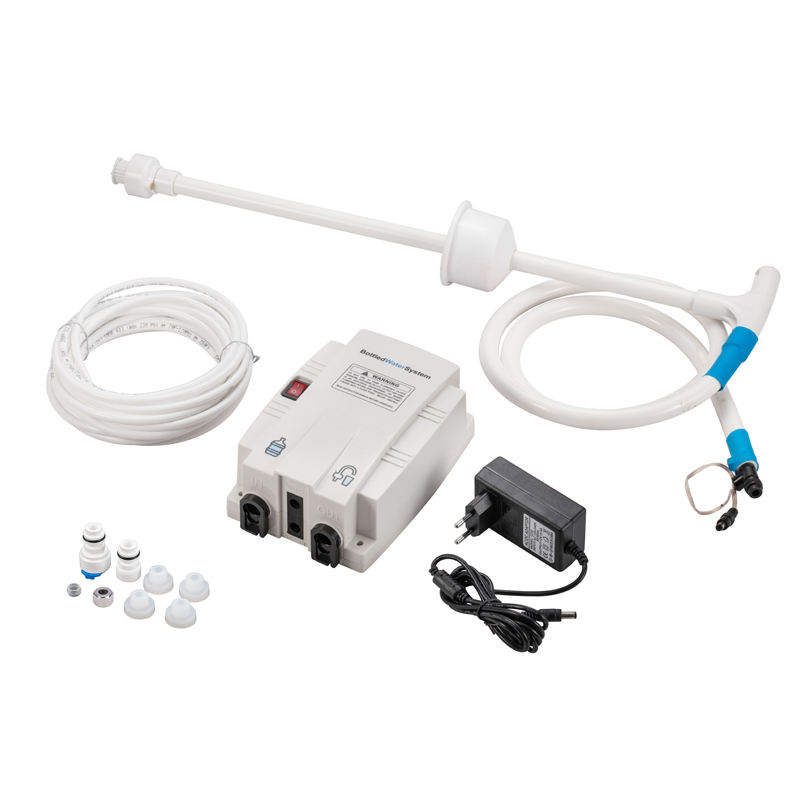
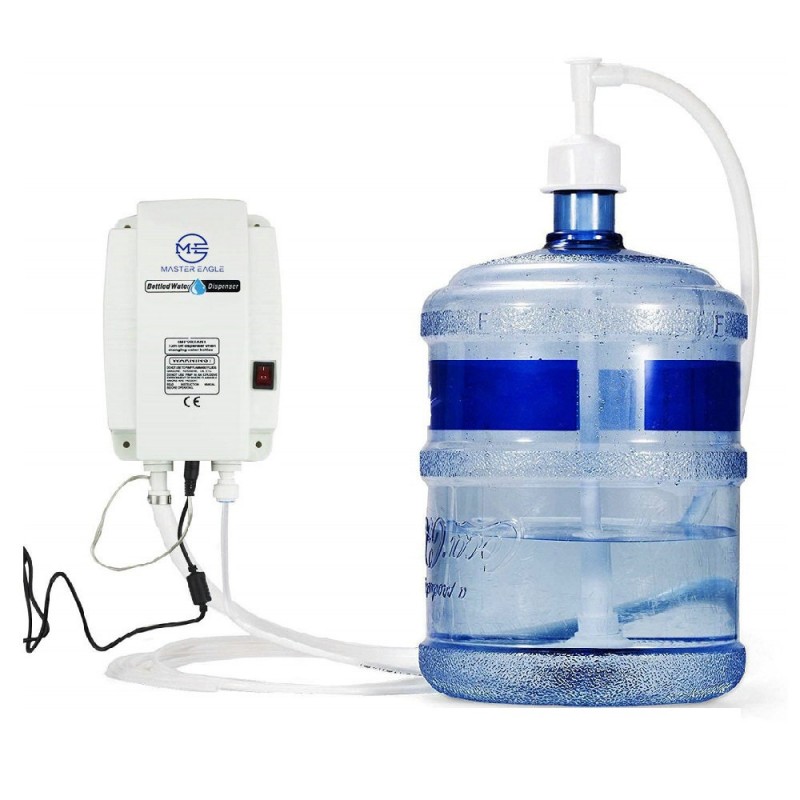
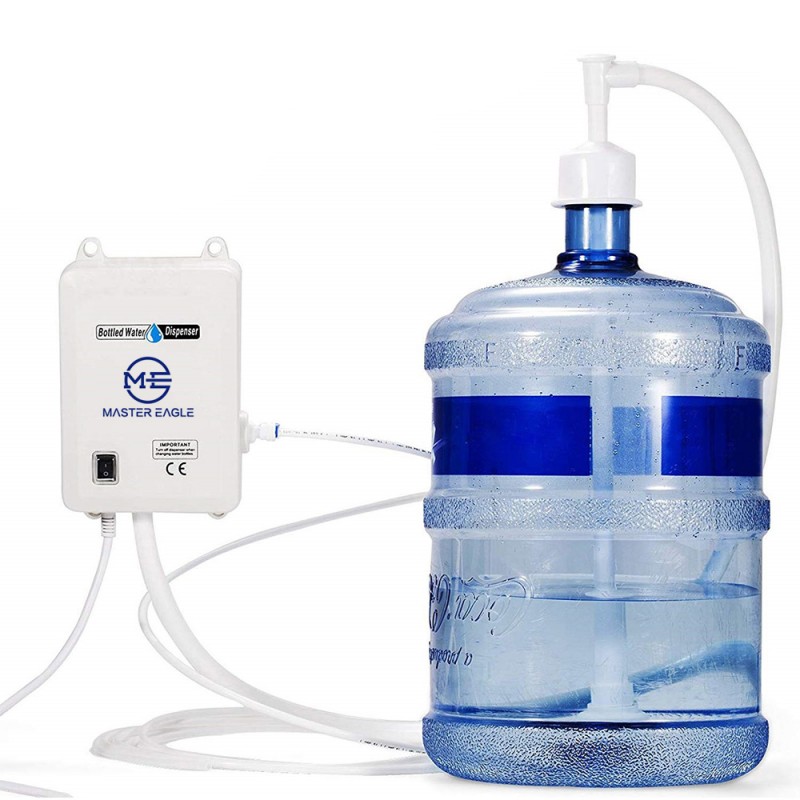
      Portable Pump System for Dispensing Potable Water from Standard Water Bottles.   The BW5000 series bottled water system is designed to pump purified water from commercially available 5-gallon purified water bottles. The system will deliver the water under pressure to an individual drinking water faucet, the water inlet of a refrigerator for the ice-maker and chilled drinking water tap, to a faucet in portable sinks and to certain personal use and commercial use coffee / tea brewers / espresso machines.   When the suction wand is inserted into the standard 5-gallon bottle, it will activate the float switch on the end of the wand and turn on the pump. This same float switch shuts off the system when the bottle is empty. The wand has a built in back-flow prevents valve that prevents water in the system from flowing back into the bottle, or spilling while changing bottles. The heart of the system is the main module that automatically fills an appliance or dispenses water through a faucet when there is demand. The system is equipped with an automatic thermal cut-off device for additional protection.   Select a cabinet large enough to accommodate the 5 gallon (19L) bottle and suction wand assembly. Place the pump module on the floor of the cabinet with on/off switch and suction tube facing out toward the cabinet doors. Position as close as possible to a grounded electrical outlet and place the five gallon bottle close to the pump module without kinking the suction hose The bottled water dispensing system may also be placed in a pantry, closet, cellar or other location where a grounded electrical outlet is available.
    Read More
1 2

A total of 2 pages

leave a message
leave a message
If you are interested in our products and want to know more details,please leave a message here,we will reply you as soon as we can.

Home

Products

whatsApp