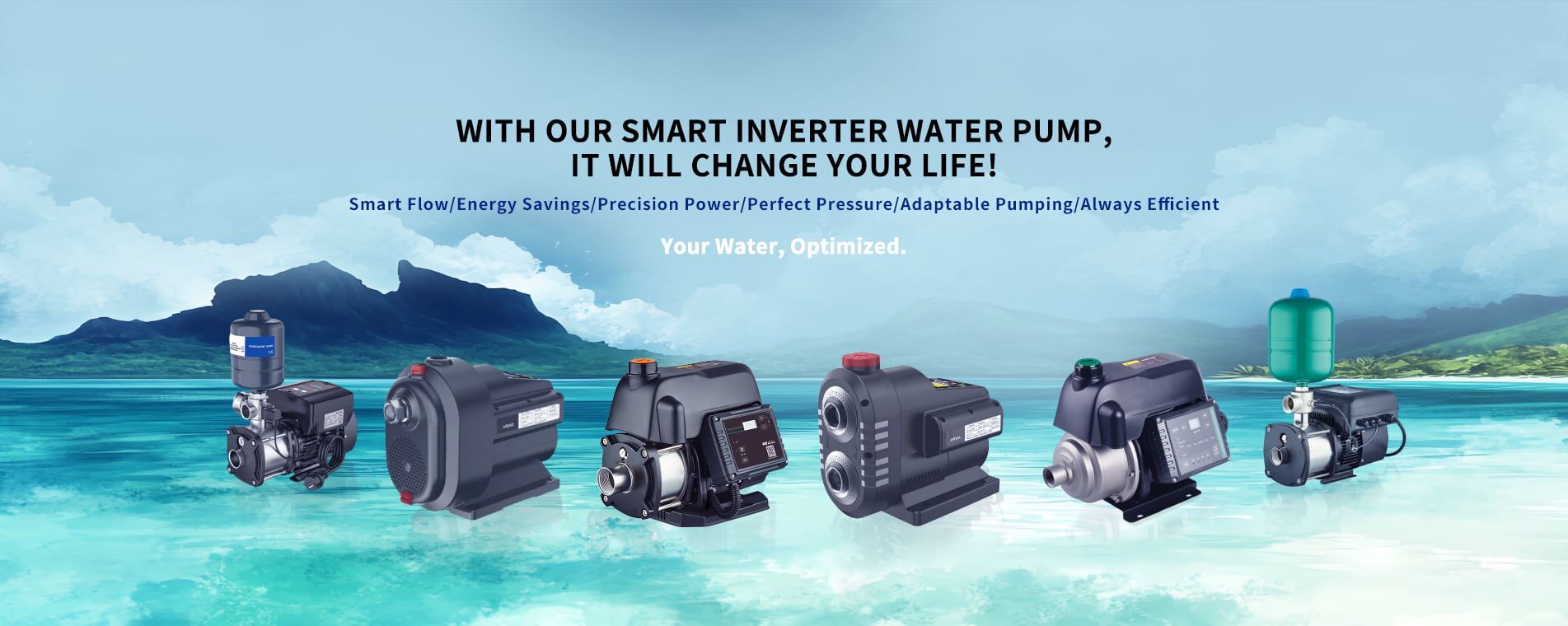
Have you ever wondered why some buildings never seem to run out of strong water pressure, while others struggle every time a second tap opens? The answer lies in the pump technology behind the walls. For decades, water pressure management relied on constant-speed pumps that had no way to adapt. Today, that is changing — and the intelligent inverter pump is leading the revolution.
Unlike conventional pumps that run at a fixed speed regardless of need, an inverter pump uses Variable Frequency Drive (VFD) technology to think on its feet. It senses exactly how much water is being used and adjusts its motor speed instantly. No waste. No pressure drops. No energy burned for nothing.
What Makes a Pump "Intelligent"?
An intelligent inverter pump is fundamentally different from a traditional pump in one important way: it has a brain. A built-in micro controller constantly reads the water pressure in the pipes. When it detects that pressure has dropped because someone opened a tap, it tells the motor to speed up. When the tap closes and pressure rises, it tells the motor to slow down.
This real-time feedback loop means the pump never runs faster than it has to. The result is smooth, silent, and highly efficient operation that traditional pumps simply cannot match.
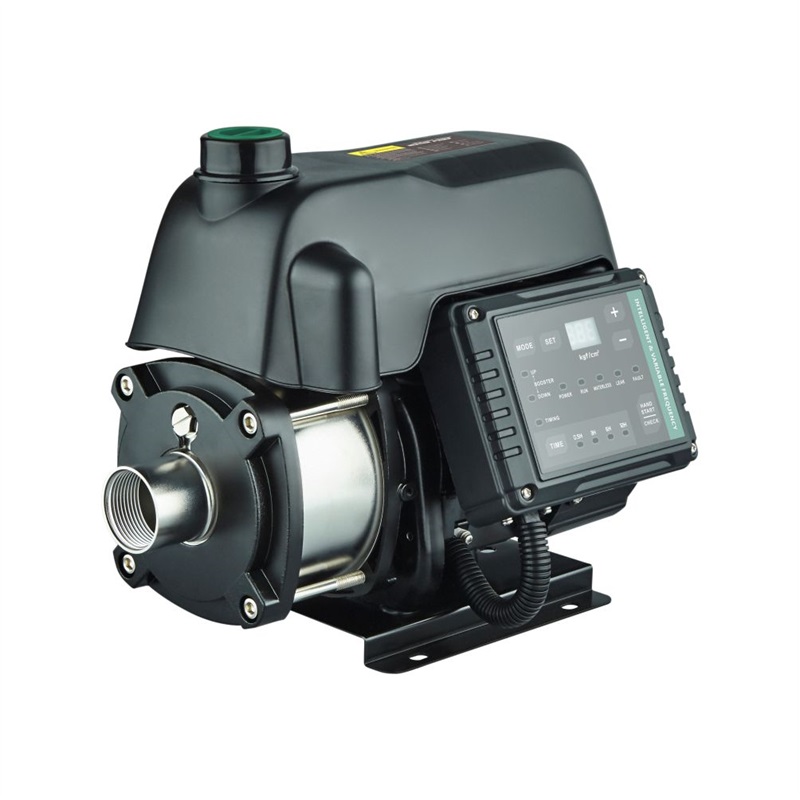
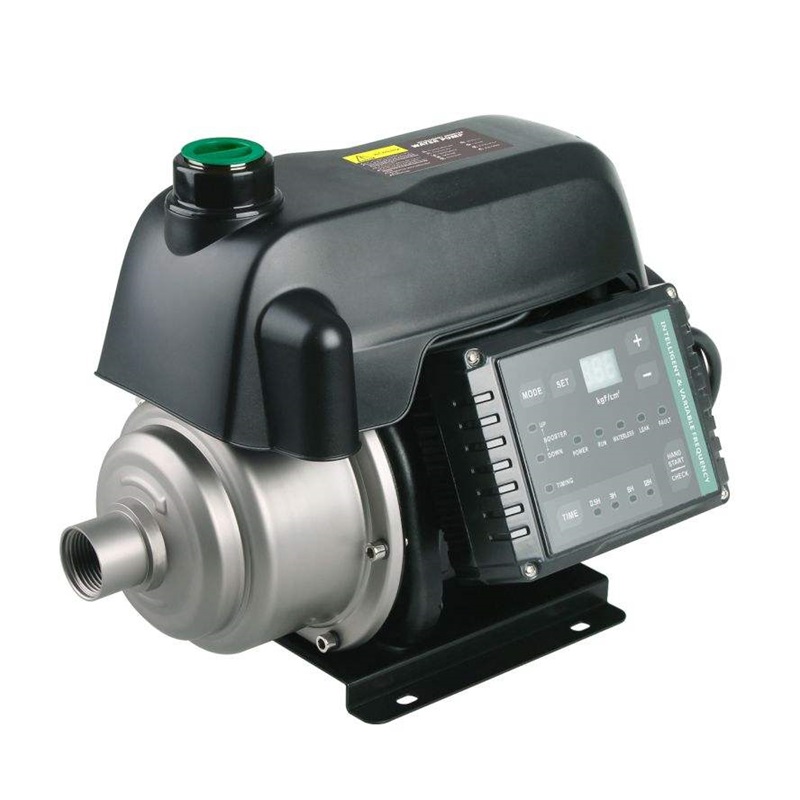
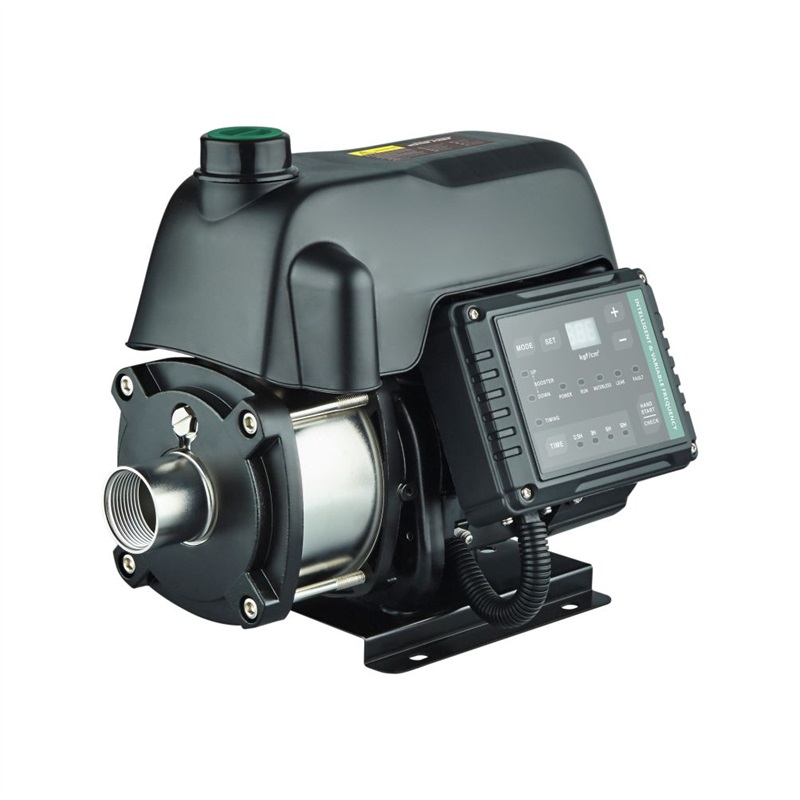
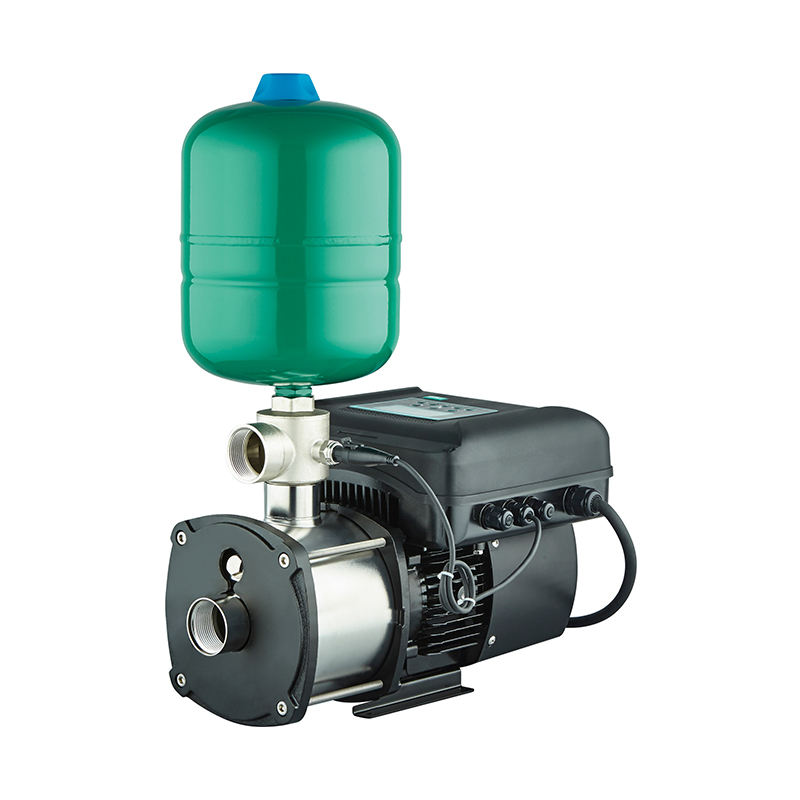
MASTER EAGLE's CHM-DC Series Intelligent Inverter Pump is designed around this principle. It combines a multi-stage centrifugal pump body with a smart VFD controller, delivering precisely the right pressure for every situation.
Section 1 — How a Traditional Pump Wastes Energy
To appreciate the inverter pump, it helps to understand what it replaces. A standard AC pump works like a light switch — it is either ON at full power or OFF completely. When it turns on, it pushes water at maximum pressure, even if only a small trickle is needed. When no one is using water, the pressure builds to the cut-off point, the pump shuts off, and the cycle repeats.
This "start-stop" cycling is inefficient for three reasons:
- High inrush current every time the motor starts, spiking electricity consumption
- Pressure surges that stress pipes, joints, and fixtures
- Mechanical wear from frequent hard starts and stops
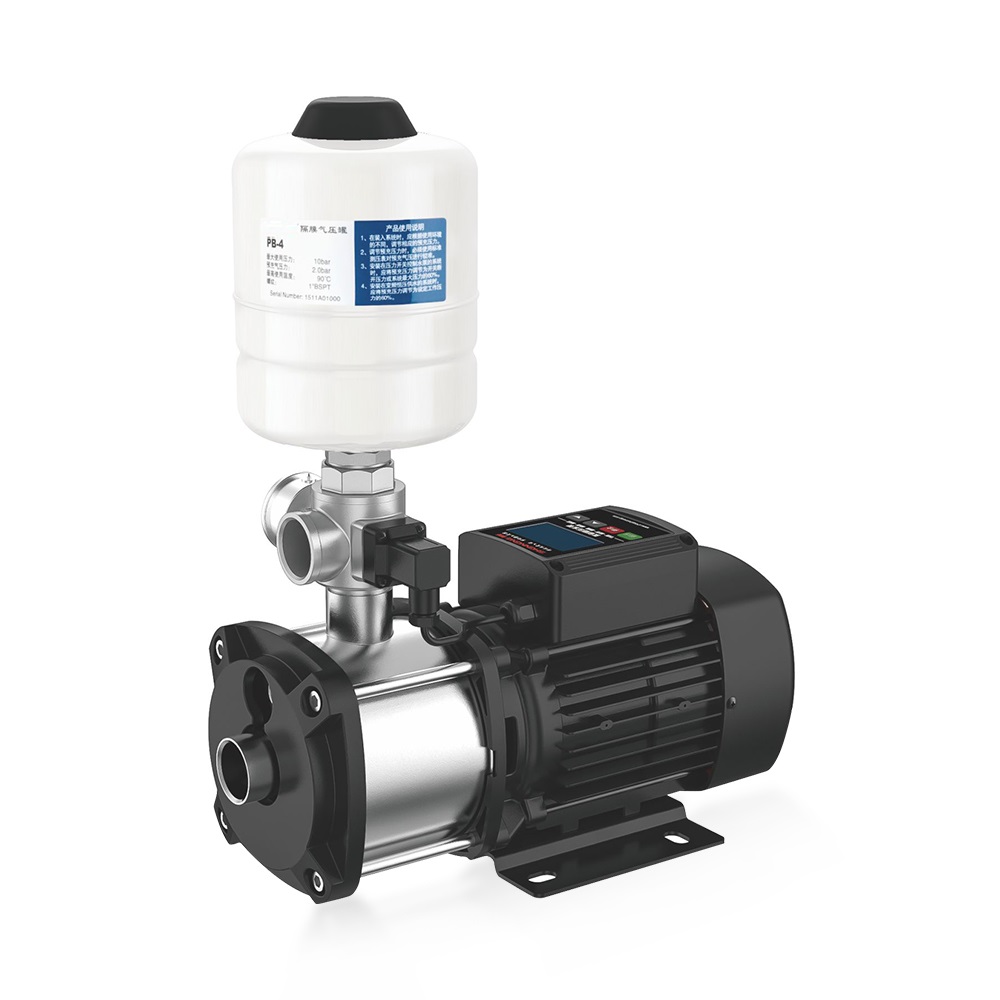
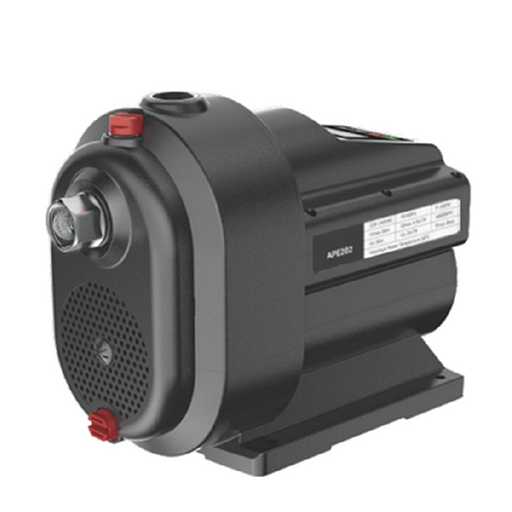
In contrast, an inverter pump glides smoothly between speeds, eliminating these problems entirely. The APG Series variable frequency booster pump from MASTER EAGLE uses a permanent magnet synchronous motor that is far more efficient than the induction motors found in traditional pumps.
Section 2 — Real Places Where Inverter Pumps Make a Difference
Intelligent inverter pumps are already transforming water pressure management across different environments. Here is how they perform in three real-world settings:
| Setting |
Without Inverter Pump |
With Inverter Pump |
| 3-story villa, 4 bathrooms |
Pressure drops when 2 showers run simultaneously; pump cycles on/off loudly all day |
Steady pressure regardless of usage; pump hums quietly and only works as hard as needed |
| Small hotel with 20 rooms |
Guests complain about weak showers during peak hours; electricity bill is high |
All rooms get consistent pressure; energy cost drops noticeably within months |
| Farm irrigation for 2 hectares |
Manual valves cause water hammer; pump runs at full speed even for drip irrigation |
Automated pressure control; pump matches the exact flow rate of each irrigation zone |
These are not hypothetical scenarios. They are exactly the kind of problems that MASTER EAGLE's Self-priming Inverter Water Pump CHM-Z Series solves for customers around the world every day.
Section 3 — The Technology Inside: VFD + Permanent Magnet Motor
The heart of an intelligent inverter pump is the Variable Frequency Drive. The VFD converts incoming AC power to DC, then synthesizes it back to AC at whatever frequency the motor needs. Changing the frequency changes the motor speed — and therefore the pump's flow rate and pressure.
When paired with a permanent magnet synchronous motor (PMSM), the efficiency gains are dramatic:
- Induction motor (traditional): 70-80% efficiency
- PMSM (inverter pump): 90-95% efficiency
- Overall system energy savings: 30-60%
The APG Series is a prime example of this technology in action. Its permanent magnet motor generates more torque per amp than conventional motors, meaning it delivers more water with less electricity.
Section 4 — Longevity: Why Inverter Pumps Outlast Traditional Ones
A pump's lifespan is largely determined by how gently it is treated. Traditional pumps experience violent pressure spikes every time they start, which stresses seals, bearings, and impellers over time. Inverter pumps, by contrast, start softly and ramp up gradually.
The CHM-DC Series features built-in soft-start, dry-run protection, and over-temperature safeguards — all of which contribute to a service life that can exceed 10 years with proper maintenance. That is significantly longer than the typical 5-7 year lifespan of a standard pump.
Other durability features include:
- Anti-freeze cycling to protect the pump in cold climates
- Stainless steel pump body for corrosion resistance
- Sealed electronics immune to dust and moisture
Section 5 — Smart Control: WiFi and Remote Management
One of the most exciting developments in modern inverter pumps is WiFi connectivity. MASTER EAGLE's intelligent pump systems allow users to:
- Monitor real-time pressure and power consumption from a smartphone
- Set schedules for different pressure levels throughout the day
- Receive alerts if the pump detects a leak or abnormal operation
- Adjust settings remotely without needing to visit the installation site
This level of control was previously reserved for large commercial building management systems. Today, it is available for homes, farms, and small businesses — at a fraction of the cost.
Section 6 — The Cost Question: Is an Inverter Pump Worth the Investment?
It is true that an intelligent inverter pump costs more upfront than a standard pump. A high-quality unit like the CHM-DC Series may cost 2-3 times what a basic pressure pump costs. However, the total cost of ownership tells a different story.
A typical household using a traditional pump might spend approximately $400-600 per year on electricity for water pumping. An inverter pump can cut that to $200-300. Add in reduced maintenance costs and longer lifespan, and the payback period is typically 12-18 months.
After that, every year of operation is pure savings — making the inverter pump the more economical choice over any meaningful time horizon.
The Verdict: A Smarter Way to Move Water
Intelligent inverter pumps are more than just a technological upgrade. They represent a fundamental shift in how we think about water pressure management — from brute force to precision, from constant waste to adaptive efficiency.
MASTER EAGLE offers a full range of inverter pump solutions, from the compact CHM-Z Series for homes to the high-flow CHM-DC Series for commercial applications. Each pump is built to the same rigorous quality standards that have made MASTER EAGLE a trusted name in water systems across the Middle East, Africa, and beyond.
Contact us today to find the intelligent inverter pump that fits your water pressure needs.
 English
 русский
 Español



 IPv6 network supported


