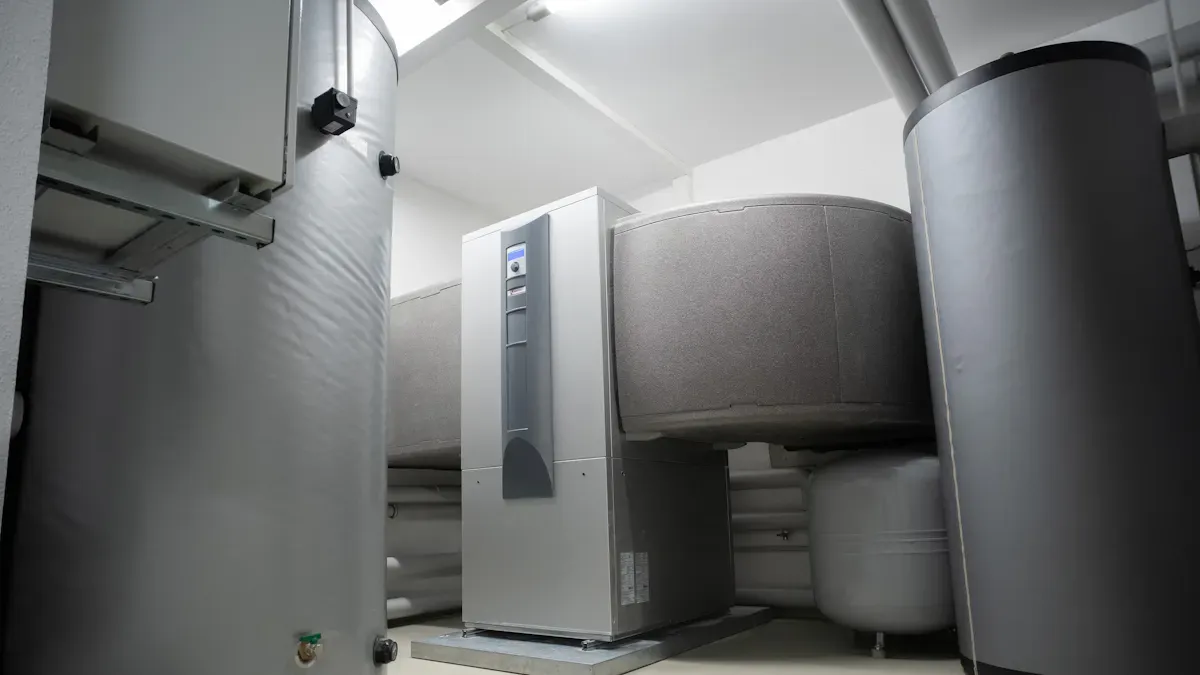
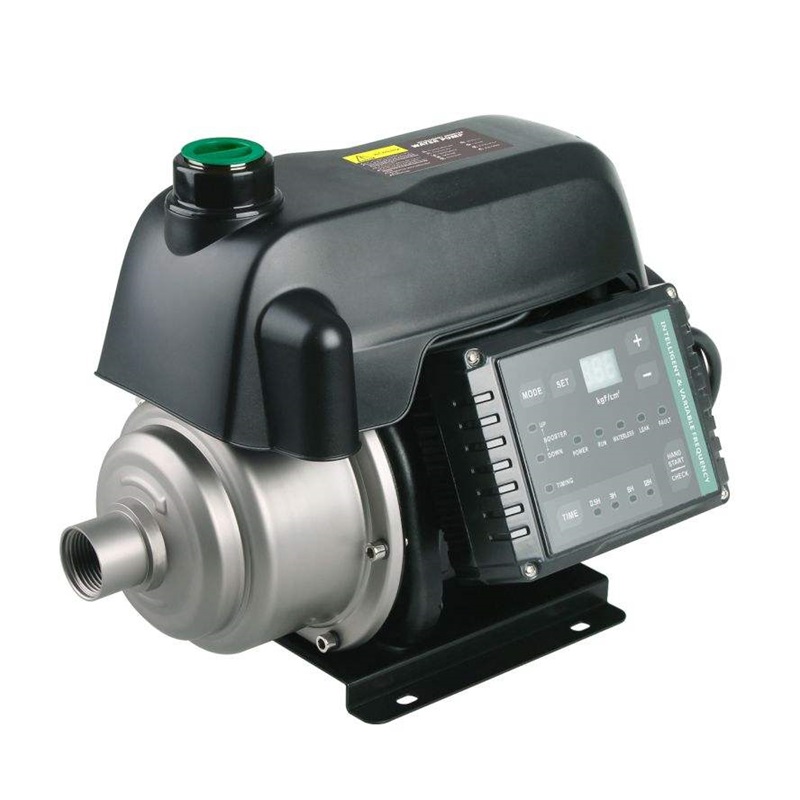
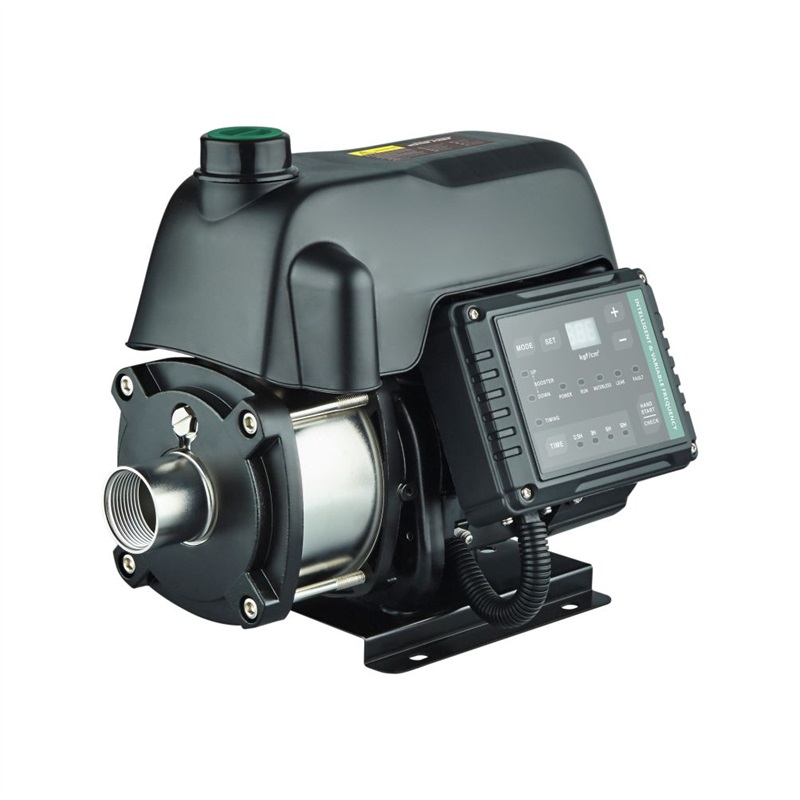
You get more control and efficiency when you use an intelligent inverter pump. This smart pump uses advanced sensors and algorithms to monitor water pressure, flow, and temperature. The pump adjusts its speed in real time, so water pressure stays steady even when demand changes. You avoid frequent cycling, and you can cut your electricity costs by a large margin.
- In some cases, these pumps use 10% less power than traditional models.
- In other situations, they can consume up to 75% less power.
Key Takeaways
- Intelligent inverter pumps adjust their speed based on water demand, saving energy and reducing electricity costs.
- These pumps provide constant water pressure, enhancing comfort and protecting plumbing from stress.
- Using an inverter pump can extend its lifespan by minimizing wear and tear, leading to fewer repairs and replacements.
- Energy savings can reach up to 75% compared to traditional pumps, making them a cost-effective choice for homeowners.
- Regular maintenance, like cleaning filters, helps keep the pump efficient and prolongs its service life.
Variable Speed Control
You get better energy efficiency with variable speed control. An Intelligent Inverter Pump uses a variable frequency drive (VFD) to adjust the pump’s speed based on how much water you need. This means the pump does not always run at full power. Instead, it matches its speed to the actual demand.
- The pump only uses the energy needed for the current situation.
- Traditional pumps run at full speed all the time, which wastes energy.
- If you reduce the pump speed by just 20%, you can save almost 50% on energy use.
This smart control helps you avoid high electricity bills and keeps your water system running smoothly.
Efficiency Benefits
Energy Savings
You can save a lot of energy when you use an intelligent booster permanent magnetic variable frequency inverter pump. This pump runs at lower speeds when water demand is low. It does not waste electricity by running at full power all the time. Instead, it matches its speed to what you need. When you use less water, the pump slows down and uses less energy.
- Pump inverters let you adjust the speed to match the flow and pressure you need.
- When demand drops, the inverter lowers the motor speed, so you use less electricity.
- Fixed-speed pumps always use the same amount of energy, even if you do not need that much water.
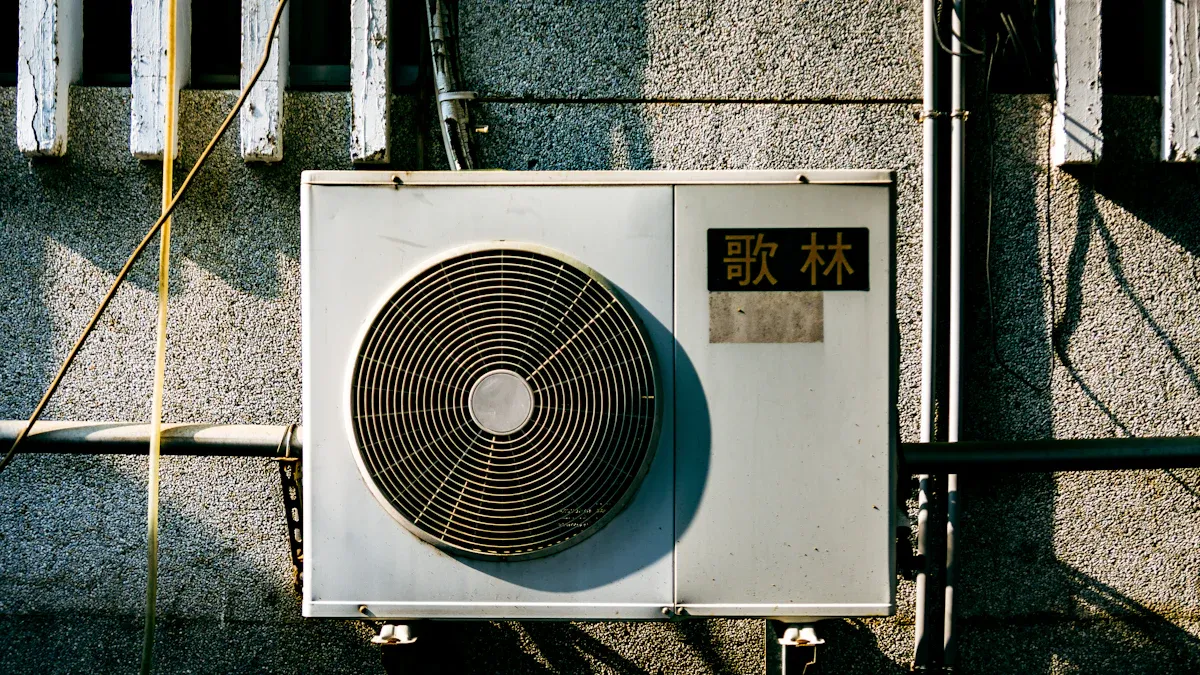
You can see the difference in real numbers. For example, a homeowner in Bavaria saw a 22.7% drop in electricity use after switching to an inverter heat pump. Inverter-based systems can be 20–35% more efficient than fixed-speed models.
Here is a table that shows how much you can save:
| System Type |
Seasonal Coefficient of Performance (SCOP) |
Annual Electricity Use |
Cost at €0.25/kWh |
Savings |
| Fixed-speed heat pump |
3.2 |
9,600 kWh |
€2,400 |
— |
| SolarEast inverter heat pump |
4.9 |
7,200 kWh |
€1,800 |
25% lower |
Note: Lower speeds mean lower bills. You can save up to 25% on your annual energy costs.
Precise Flow Control
You get precise control over water flow with an Intelligent Inverter Pump. The pump uses sensors and smart controls to adjust the speed and keep water pressure steady. You do not have to worry about sudden changes in pressure when someone turns on a faucet or shower.
- Advanced controls and sensors help the pump react quickly to changes.
- The pump keeps the pressure constant, so you always get the right amount of water.
- This makes your water system more reliable and comfortable.
When you have steady pressure, you avoid problems like weak showers or noisy pipes. Your water system works better, and you get the performance you expect every time.
Extended Pump Lifespan
You can make your pump last longer with an Intelligent Inverter Pump. This pump does not start and stop all the time. It runs smoothly and avoids hard starts, which can damage the motor and other parts.
- Inverter pumps avoid constant hard starts and stops.
- Less stress on the compressor means a longer life for your pump.
If you use a pump that runs at the right speed, you reduce wear on the moving parts. This means you will not have to replace your pump as often, and you will spend less on repairs.
Reduced Wear and Tear
You protect your pump and your home when you reduce wear and tear. An Intelligent Inverter Pump lowers its speed when possible. This keeps the parts from wearing out too fast.
Here is a table that explains how this works:
| Evidence |
Explanation |
| Reducing pump's operating speed |
Minimizes wear on components, so your pump lasts longer and needs less care. |
| Lower speeds reduce noise |
Less vibration and noise make your home more comfortable. |
| Intelligent software protection |
Monitors temperature and prevents damage from overheating. |
| Smart controller and sensors |
Adjust speed for the best performance and prevent problems. |
Tip: Lower speeds and smart controls mean less noise, less vibration, and fewer repairs.
You also save money over time. Here is a quick look at the costs over 10 years:
| Cost Type |
Inverter Pump (Estimated) |
Conventional Pump (Estimated) |
| 10-Year Energy Cost |
$12,000–$18,000 |
$19,500–$25,000 |
| 10-Year Maintenance Cost |
$2,000–$4,000 |
$1,500–$3,000 |
| Net Estimated 10-Year Cost |
~$19,000–$38,000 |
~$27,000–$38,600 |
Intelligent Inverter Pump Types
Centrifugal Models
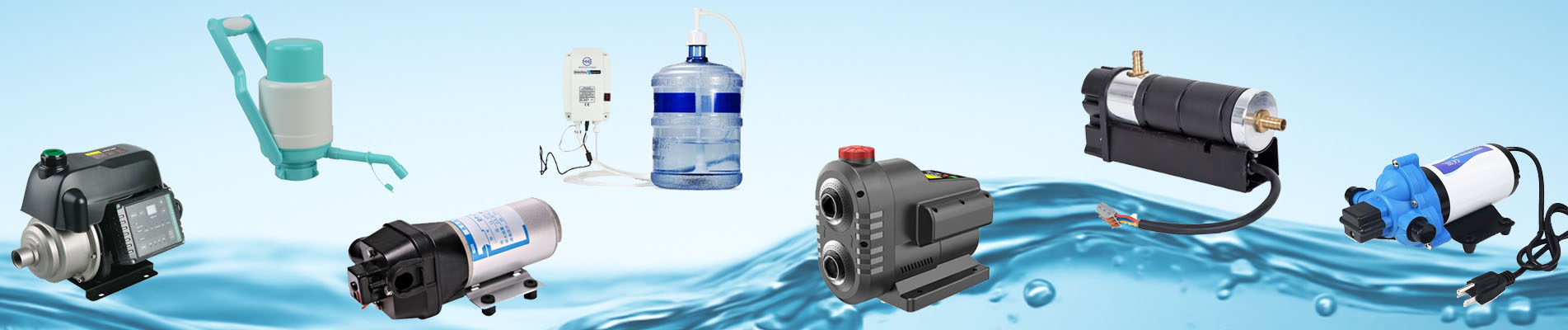
You often see centrifugal intelligent inverter pumps in homes and businesses. These pumps use a spinning impeller to move water. When you add a variable speed drive (VSD), the pump can change its speed to match your needs. This means you get the right flow and pressure every time. Standard centrifugal pumps run at one speed and need manual changes. Intelligent inverter models adjust on their own, so you save energy and get better performance.
Centrifugal inverter pumps work best when your water demand changes during the day. You do not waste power when you need less water.
You can choose from different voltage levels for your system:
| Type of Inverter |
Voltage Level |
Application Areas |
| Low-Voltage Inverter |
220V |
HVAC, Water Treatment, Industrial Automation |
| Medium-Voltage Inverter |
380V |
HVAC, Water Treatment, Industrial Automation |
Here are some common uses for submersible inverter pumps:
| Sector |
Applications |
| Residential |
Whole-house water pressure boosting, garden and greenhouse irrigation. |
| Commercial |
Water supply to upper floors, HVAC and heating circulation systems. |
| Industrial |
Enterprise water systems, mining operations. |
| Agricultural |
Irrigation for crops, fish farming, and poultry facilities. |
Tip: Submersible pumps help you keep water flowing even in tough conditions, like deep wells or large gardens.
Booster and Circulation Pumps
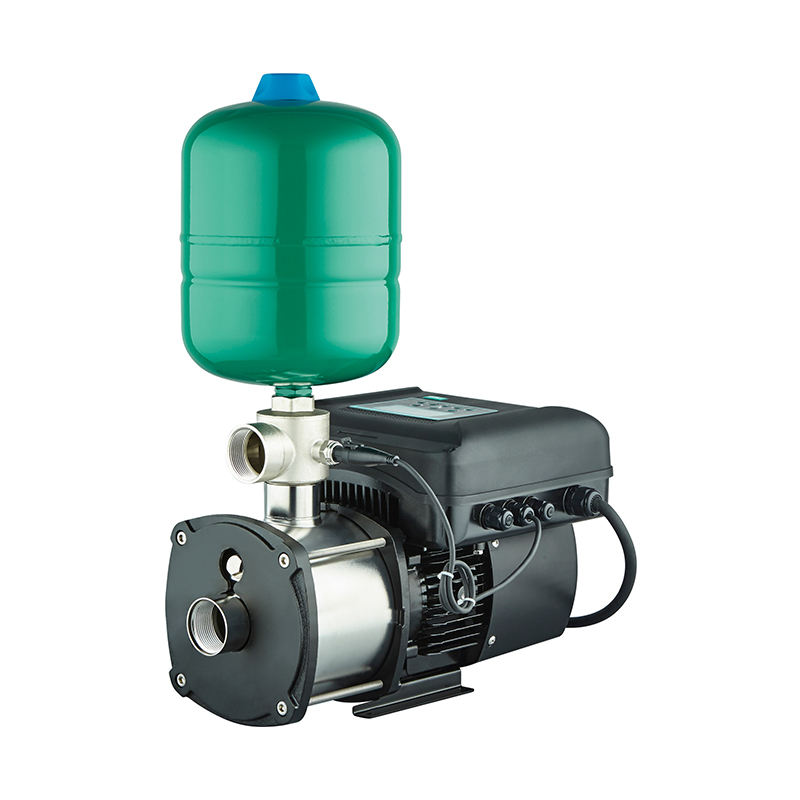
You use booster pumps to increase water pressure in your pipes. Circulation pumps keep water moving in closed systems, like heating or cooling loops. Both types use intelligent inverters to adjust speed and save energy.
- Adjusts motor speed based on real-time water demand
- Converts fixed-frequency power to variable frequency
- Provides constant pressure for efficient operation
These pumps help you get steady water pressure and even temperatures. You also enjoy a quieter system and longer pump life.
| Feature |
Benefit |
| Energy Savings |
Cuts electricity use by up to 50% |
| Constant Pressure |
Ensures stable water pressure |
| Quiet Operation |
Reduces noise during operation |
| Longer Lifespan |
Less mechanical stress extends pump life |
Note: Intelligent booster and circulation pumps give you comfort, savings, and reliability in your water system.
If you would like to learn more, please visit our website:www.fzwatersystem.com
 English
 русский
 Español



 IPv6 network supported


