 Water Pumps Made Easy How to Pick Yours
Apr 24, 2026
You start by assessing your requirements, then compare water pumps based on features and reliability. Correct sizing ensures strong performance and energy savings. Durable construction protects your investment. MASTER EAGLE offers expert guidance, making your selection simple and confident.
Key Takeaways
Identify your water needs before choosing a pump. Consider if you need it for irrigation, home supply, or drainage.
Calculate your daily water demand and flow rate. This ensures you select a pump that meets your specific requirements.
Consult experts like MASTER EAGLE for guidance. They can help you avoid mistakes and ensure you choose the right pump for your situation.
Identify Your Water Pump Needs
Purpose & Use
You must first define your water needs. Consider whether you require intelligent water pumps for irrigation, home water supply, drainage, or pool maintenance. Each application demands a different approach. Residential and commercial clients often have unique requirements. For example, a homeowner may need a pump for garden irrigation, while a business might require a robust system for large-scale water supply. Make a list of your water source and application before moving forward.
Water Source & Demand
You should identify where your water comes from. Wells, ponds, tanks, and municipal lines all present different challenges. Residential and commercial clients must assess the reliability and quality of their water supply. Calculate your daily water needs by estimating how much water you use for drinking, cleaning, or irrigation. Use a table to organize your supply sources and expected demand:
Water Source
Daily Supply (Gallons)
Application
Well
500
Home, irrigation
Pond
800
Commercial, garden
Tank
300
Emergency, backup
Flow Rate & Pressure
You need to determine pump capacity and flow rate. Most residential wells require 8-12 gallons per minute to meet typical water supply needs. Commercial operations may demand higher flow rates. Pressure also matters. If your system lacks adequate pressure, you risk poor performance. Correct sizing prevents wasted energy and ensures your water pumps deliver consistent supply. Always match your pump to your water needs for optimal results.
Tip: Consult a professional if you feel unsure about calculating flow rate or pressure. MASTER EAGLE supports residential and commercial clients with expert advice.
Water Pumps Types & Features
Main Pump Types
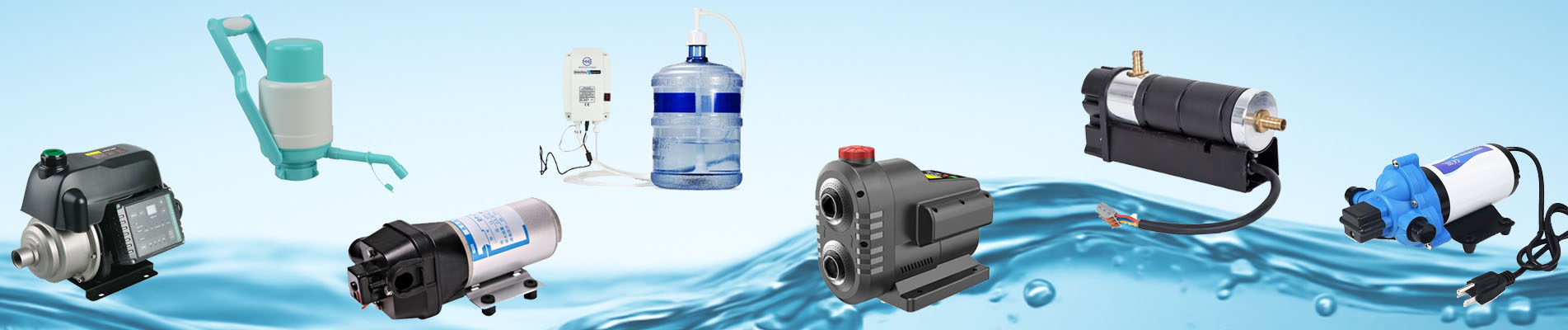
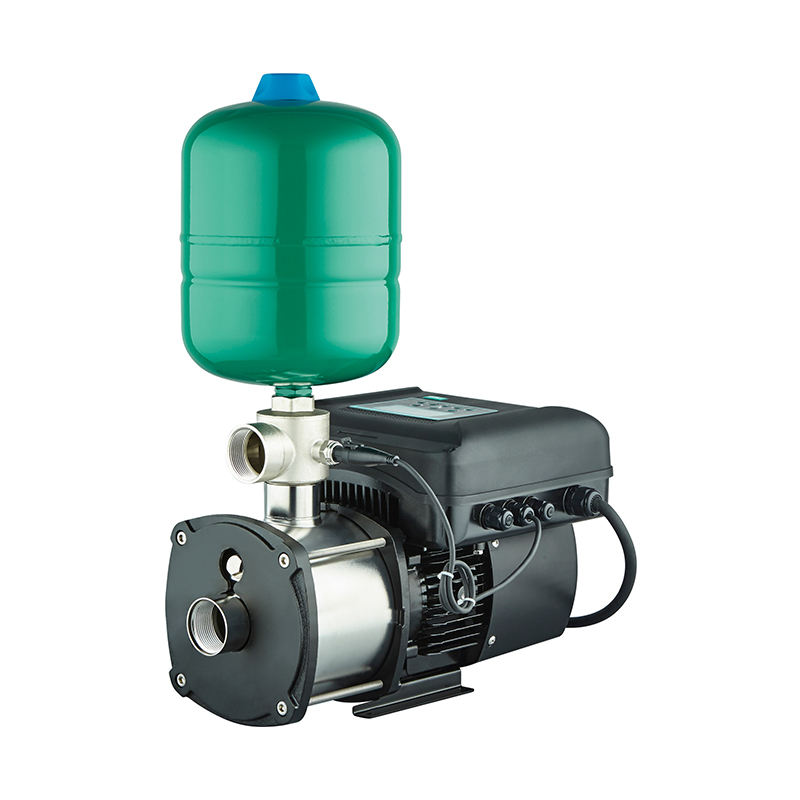
You encounter several types of water pumps. Centrifugal pumps move water using a spinning impeller. Submersible pumps operate underwater and suit deep sources. Jet pumps use suction and work well for shallow wells. Booster pumps increase pressure in your system. You select a water well pump when you need reliable supply from underground sources.
Pump Type
Best Use
Pros
Cons
Centrifugal
General transfer
Simple, efficient
Limited pressure
Submersible
Deep wells, tanks
Quiet, powerful
Harder to access
Jet
Shallow wells
Easy to install
Lower efficiency
Booster
Pressure boost
Compact, effective
Not for large flow
Water well pump
Wells (shallow/deep)
Reliable supply
Needs maintenance
Well Pump Options
You choose between shallow, convertible jet, and deep water well pump models. Shallow water well pump works for wells less than 25 feet deep. Convertible jet water well pump adapts to different depths. Deep water well pump, often submersible, handles wells over 25 feet. You match the water well pump to your well depth and water demand.
Key Features: Capacity, Efficiency, Durability
You check capacity to ensure your water well pump meets your daily needs. Efficiency matters for energy savings and strong performance. Durability protects your investment. MASTER EAGLE water pumps offer robust construction and high efficiency. You review product specs and compare models for best performance.
Tip: Consult design charts for pools and irrigation. You avoid oversizing or undersizing your water well pump.
Installation & Maintenance
You follow water pump installation guidelines for safe setup. You check wiring, connections, and seals. You schedule regular maintenance for your water well pump. You inspect for leaks, clean filters, and test performance. MASTER EAGLE supports you with water pump installation advice and maintenance tips. You seek professional help for complex water pump installation or repairs.
Choosing the Right Water Pump
Reading Specifications
You need to understand pump specifications before you make a purchase. Manufacturers list important details on every model. You see capacity measured in gallons per minute (GPM) or liters per second. You check power ratings, usually in horsepower (HP) or kilowatts (kW). Efficiency ratings show how much energy the pump uses to move water. You compare these numbers to your water demand and source.
You find a table helpful when reviewing specifications:
Specification
What It Means
Why It Matters
Capacity (GPM)
Water moved per minute
Matches your daily demand
Power (HP/kW)
Motor strength
Handles your water source
Efficiency (%)
Energy use
Saves money, reduces waste
Max Pressure
Highest output pressure
Ensures strong supply
You read the product manual for installation requirements. You check if the pump suits your water source, such as a well or tank. You verify compatibility with your plumbing and electrical systems. You use this information to choose the right water pump for your needs.
Tip: You always compare several models. You look for pumps with high efficiency and durable construction. You ask MASTER EAGLE for advice if you need help understanding specifications.
Avoiding Common Mistakes
You avoid common mistakes by planning ahead. Many people misjudge their water demand. You calculate your daily usage and peak flow rates. You check the depth and quality of your water source. You never ignore energy efficiency. Pumps with low efficiency cost more to run and may not last as long.
You see these mistakes often:
You select a pump that is too small or too large for your needs.
You overlook installation requirements, such as voltage or pipe size.
You forget to check maintenance needs and warranty coverage.
You ignore pressure ratings, leading to weak supply or system damage.
You prevent these issues by reviewing specifications and consulting experts. You follow water well installation guidelines to ensure safe and reliable operation.
Note: You keep records of your water usage and pump maintenance. You use this data to make better decisions in the future.
When to Get Expert Help
You seek expert help when your situation is complex. You contact MASTER EAGLE if you have multiple water sources or high demand. You ask for advice when you need a pump for irrigation, commercial use, or deep wells. You consult professionals for water well installation or when you face unusual plumbing challenges.
You recognize these signs that you need expert support:
You cannot calculate flow rate or pressure accurately.
You have special requirements, such as variable speed or backup systems.
You need help with installation, wiring, or system design.
You want to ensure compliance with local regulations.
You trust MASTER EAGLE to guide you through the process. You receive recommendations tailored to your needs. You gain confidence that your system will perform reliably and efficiently.
Callout: You save time and money by consulting experts early. You avoid costly mistakes and ensure your water pump meets all requirements.
You clarify your needs, compare pump types, and match features for a reliable water supply. MASTER EAGLE helps you achieve a reliable water supply with expert advice. Use this quick checklist to secure a reliable water supply:
Review your water demand
Select the right pump type
Confirm installation requirements
Reach out to MASTER EAGLE for expert support.
FAQ
How do you determine the right pump size?
You calculate your daily water demand and peak flow rate. You match these numbers to the pump’s capacity rating for optimal performance.
What maintenance does your water pump need?
You inspect for leaks.
You clean filters.
You check wiring and seals.
You schedule regular performance tests.
Can you install a water pump yourself?
Situation
Recommendation
Simple setup
You can install it.
Complex system
You contact a professional.
Read More
 English
 русский
 Español



 IPv6 network supported


