China Manufacturer of Inverter Water Pump,Bottled Water System
Blogs
  • How to set up a DC water pump with solar panels How to set up a DC water pump with solar panels
    Jul 16, 2026
    You can improve your efficiency by setting up a dc water pump powered by solar energy for your water needs. Choose your site with care, secure each mount, and check every wire for safety and performance. MASTER EAGLE offers reliable solutions that suit both beginners and DIY enthusiasts.   Key Takeaways Gather essential materials like solar panels, a pump controller, and a DC water pump to set up your solar water system. Choose a sunny location for your solar panels and mount them securely at a 30-degree angle for optimal performance. Perform regular maintenance by cleaning panels and checking connections to ensure your solar DC water pump operates efficiently.   DC Water Pump Installation Guide   Materials and Components You need several essential materials to set up a solar dc water pump for your water needs. Gather solar panels to generate electricity, a solar pump controller to manage power, and a dc water pump to move the water. Include wiring, mounting hardware, and consider a solar generator for backup. The solar panels convert sunlight into DC electricity, and the controller ensures the pump receives the correct voltage and current. The pump selection depends on your flow rate and head requirements. Solar panels Solar pump controller DC water pump Wiring and connectors Mounting hardware Optional solar generator   System Sizing Sizing your system is crucial for optimal performance and efficiency. You must calculate the pump power based on your daily water needs and the total dynamic head. Use the following table to guide your sizing process:   Specification Type Details Total Dynamic Head (TDH) Essential for determining pump size and efficiency. Pump Types Screw and centrifugal pumps available. Motor Efficiency Brushless DC motors offer over 90% efficiency. Solar Panel Sizing Oversize panels by 25-30% to meet power demand. Lifespan Solar panels last 25 years; pump systems over 20 years.   Calculate the required solar panel wattage using this formula:   Component Description Pump Power (W) Power requirement of the pump in watts. Safety Factor Multiplier (1.25 to 1.3) for inefficiencies. Required Array (W) Total solar panel wattage needed. Formula Required Array (W) = Pump Power (W) x Safety Factor   Site Selection and Mounting Choose a location that maximizes sunlight exposure for your solar panels. South-facing installations receive more sunlight, especially in winter. Avoid obstructions like trees and buildings that reduce performance. Mount panels at a 30-degree tilt and test different angles to optimize efficiency. Clean panels regularly to maintain system performance. Securely mount both the pump and panels to prevent movement and damage. MASTER EAGLE provides reliable products for your installation needs. Tip: Always check your site for shading throughout the day to ensure consistent solar panel performance.   Solar DC Water Pump Installation Steps   Wiring and Connections You must follow a step-by-step installation guide to connect your solar panels to the dc water pump. Begin by mounting the panels securely at the correct angle. This ensures maximum sunlight exposure and improves efficiency. Next, wire the panels in series or parallel, depending on your water needs and the voltage requirements of your pump controller. Series connections increase voltage, which is ideal for long distances and higher voltage dc water pump systems. Parallel connections increase current, but you must not exceed the controller's maximum voltage limit. Mount the panels in a location with optimal sunlight. Wire the panels in series or parallel to achieve the required voltage and current for your pump controller. Connect the panel strings to the solar pump controller using a junction box with circuit breakers. Always check polarity to prevent damage. Attach the controller output to the dc water pump, ensuring all wiring is secure and protected from weather. Tip: Use MC4 connectors for outdoor wiring. These connectors provide reliable, weather-resistant connections for your solar panels and dc water pump.   Mistake Description Inadequate Grounding Ground rods not driven deep enough result in high earth resistance, preventing proper fault current dissipation. Polarity Errors Neutral/ground reversal at junction boxes confuses GFCI sensors. Bonding Omissions Well casings not bonded per local code create stray currents and shock hazards. Incorrect Torque Loose terminals on breakers or controllers cause arcing and heat, damaging insulation. Sediment Lock Debris jamming the impeller overloads the motor, generating heat that degrades insulation. Poor Terminations Incorrectly torqued MC4 pins create micro-arcing and carbon tracking, leading to ground faults. Lack of Surge Protection Skipping DC surge arresters leaves the system vulnerable to transient voltages. Improper Well Cap Seal Allowing rainwater to run down the cable into the wellhead.   You must avoid these common wiring mistakes to protect your solar dc water pump and maintain performance.   Safety Checks Before operating your solar dc water pump, you must perform essential safety checks. Select an installation site with excellent sunlight exposure. Ensure your panels are free from shading throughout the day. Choose the correct pump model based on your water needs, head, and flow rate. Secure all wiring connections among the solar panels, controller, and pump. Implement protective measures for cables and mount the controller in a well-ventilated area away from direct sunlight. Turn off all power at the circuit breaker before starting the installation. Use a voltage tester to confirm the power is off before touching any wires. Wear protective gear, including gloves and eye protection, during the installation process. Inspect all joints for tightness and verify electrical connections before operation. Keep the ground around the wellhead stable and free of tripping hazards. Keep a fire extinguisher nearby if you use a torch or heat gun for wire splices. Note: Regular maintenance improves system performance. Clean debris from panels and inspect cables and connectors frequently.   Testing and Troubleshooting After completing the installation guide, you must test your solar dc water pump system. Conduct a trial run to check water output and overall performance. If the pump does not start, follow these troubleshooting steps: Check if the solar panels generate power properly. Clean the panel surface and measure the open-circuit voltage (VOC) and maximum power voltage (VMP). Inspect the wiring between the controller, solar panels, and pump. Confirm all connections are secure and free from corrosion. Verify that the controller parameters match the specifications of the pump and the system configuration.   If direct sunlight is insufficient, you may use a solar generator as backup power. This ensures your water needs are met even during cloudy days or low sunlight periods.   Pump Type Average Lifespan Traditional Submersible Pumps 8 to 15 years Traditional Jet Pumps 5 to 10 years Solar-Powered Systems Exceeds 15 years   You can expect your solar dc water pump system to last longer than traditional AC pumps. This improves reliability and efficiency for your water needs. Callout: Always follow the step-by-step installation guide and safety protocols to maximize performance and protect your investment.   You ensure a successful solar power system installation by following these steps: Mount panels securely. Wire controls properly. Seal the wellhead. Always double-check connections and follow safety guidelines. If you face challenges, consult MASTER EAGLE support. Solar water pumping increases efficiency and supports sustainability for your home or farm.   FAQ What is the difference between a DC Water Pump and a traditional AC pump? A DC Water Pump runs on direct current from solar panels. You get higher efficiency and easier integration with off-grid solar systems compared to AC pumps. Can you use a Self-Priming DC Diaphragm Water Pump for drinking water? Yes, you can use a Self-Priming DC Diaphragm Water Pump for potable water. Always choose food-grade materials and check manufacturer certifications for safety. How do you maintain a DC Diaphragm Pump for long-term use? Clean filters regularly. Inspect wiring for damage. Replace worn diaphragms. You extend the life of your DC Diaphragm Pump with routine checks.
    Read More
  • Why Are Smart Water Pump Solutions Becoming More Popular?
    Jul 24, 2026
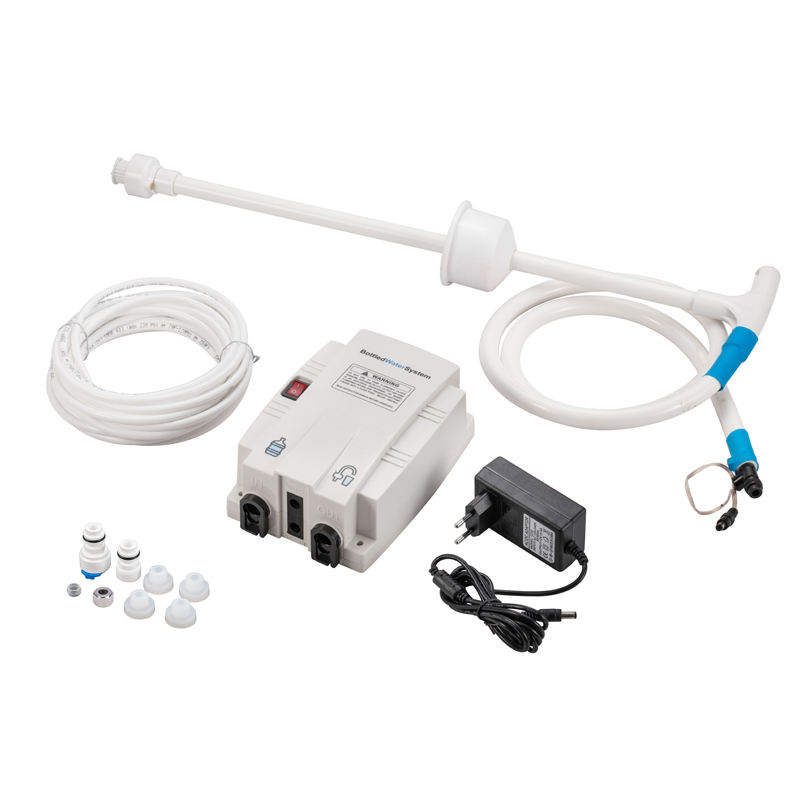
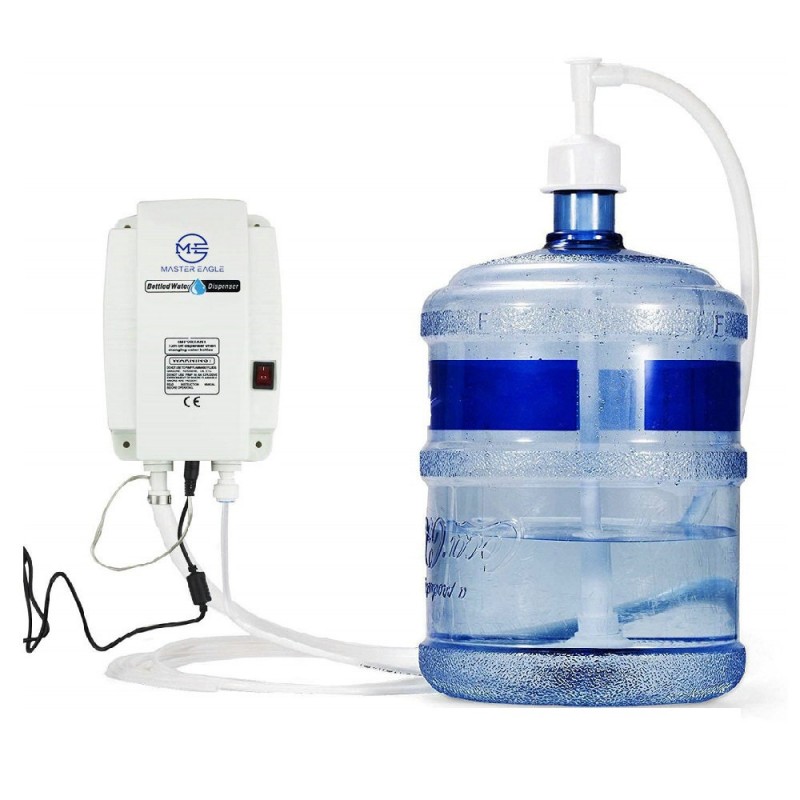
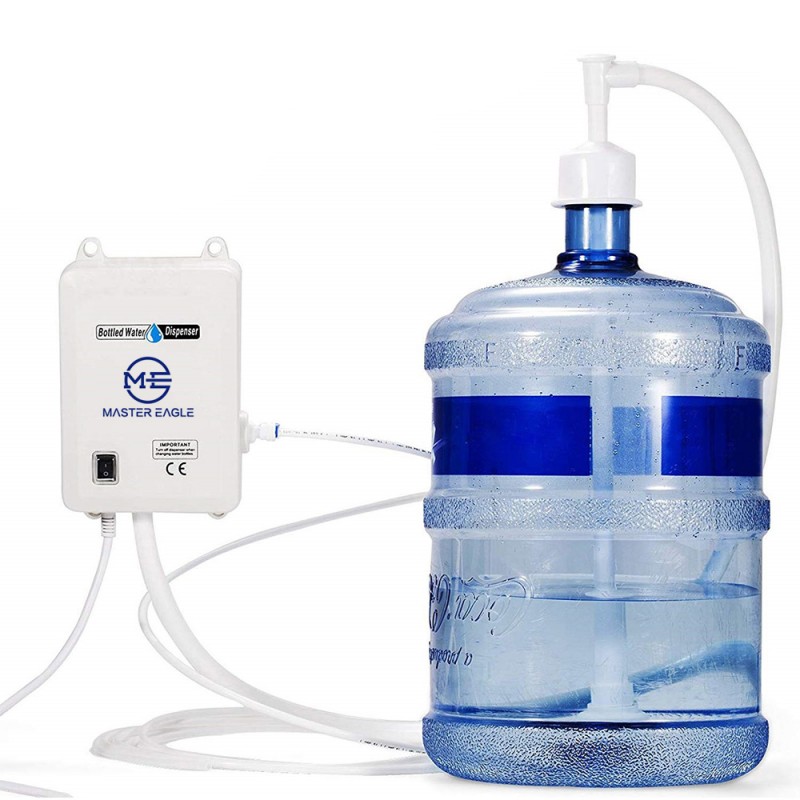
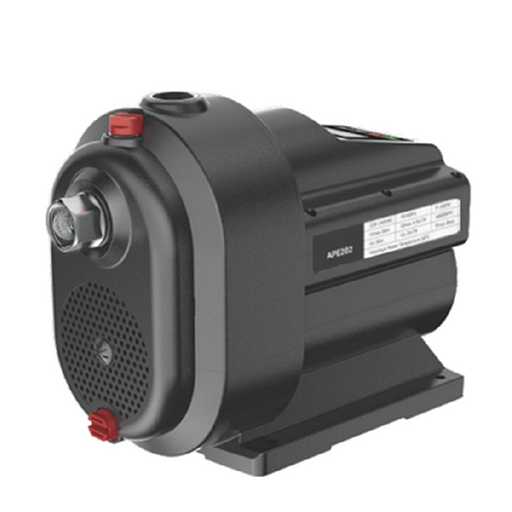
    As energy costs continue to rise and users demand quieter, more reliable water systems, manufacturers are focusing on intelligent pump technologies that improve efficiency without compromising performance. Whether for residential, RV, marine, agricultural, or commercial applications, the latest innovations are transforming the way water is delivered.   At MASTER EAGLE, we continue to develop advanced pumping solutions that align with these evolving market demands, helping OEM partners and distributors stay competitive in a rapidly changing industry.   Smart Energy Management Is Becoming the Industry Standard One of the strongest trends in today's water system market is intelligent power management. Traditional pumps often consume unnecessary electricity because they operate at a fixed speed regardless of water demand. Variable-speed technology solves this problem by automatically adjusting motor output to match real-time requirements.   An energy saving self-priming inverter water pump delivers stable water pressure while significantly reducing energy consumption, extending equipment life, and lowering operating costs. This makes it an ideal solution for household water supply, pressure boosting, rainwater utilization, and off-grid water systems where efficiency is essential.   Consumers Expect Quieter Water Systems Noise reduction has become a major purchasing factor, particularly for indoor installations, offices, RVs, apartments, and healthcare environments. Modern users no longer accept loud pump operation during daily use.   A low noise bottled water dispensing system combines efficient water delivery with vibration control and optimized motor design, creating a quieter user experience without sacrificing reliability. This type of solution is increasingly popular in homes, workplaces, schools, hotels, and medical facilities where continuous water access and low operating noise are equally important.   High Flow Capacity Supports Expanding Applications As portable water systems and commercial equipment become more capable, demand for higher flow rates continues to increase. Equipment manufacturers require pumps that can deliver greater water volume while maintaining consistent pressure across multiple outlets.   A high flow 4 chamber diaphragm water pressure pump offers stable performance under demanding operating conditions. Its multi-chamber design reduces pressure fluctuations while providing strong, continuous water flow for RV water systems, marine applications, agricultural spraying, beverage equipment, and industrial fluid transfer.   Intelligent Water Solutions Will Continue to Drive the Market The future of water pumping technology is centered on three key priorities: higher efficiency, lower noise, and smarter performance. Customers are increasingly looking for products that reduce operating expenses, improve user comfort, and provide long-term reliability.   FZWATERSYSTEM is committed to developing innovative water pump solutions that meet international quality standards while supporting customized OEM and ODM manufacturing. By combining advanced engineering with dependable production capabilities, we help global customers build more efficient and competitive water systems.   Whether you're expanding your product portfolio or searching for a reliable manufacturing partner, www.fzwatersystem.com offers a wide range of professional water pump solutions designed for today's evolving market.
    Read More
  • How to Choose the Right Bilge Pump for Your Fishing Boat
    Jul 27, 2026
    Choosing the right bilge pump for your fishing boat keeps you safe and dry out on the water. You need to match pump size to your boat’s length, pick the type that works best for your needs, and follow guidelines for proper installation and care. Make sure you check the whole bilge system, including the hose and discharge spot. Debris can clog a pump, and power limits matter, especially if you use a 4V Fishing Boat Marine Bilge Submersible Pump. Always check that your bilge pump works with your boat’s electrical system.     Why Your Fishing Boat Needs a Bilge Pump   Bilge Pump Function & Safety   You want to keep your fishing boat safe. A bilge pump helps you do that. Water can sneak into your boat from rain, waves, or even a leaky fitting. If you ignore it, you risk flooding. A bilge pump removes that water before it becomes a problem. You do not want to wait until your feet get wet to act.   Many boaters ask, how many bilge pumps should a boat have? The answer depends on your boat’s size and design. Most experts say you need at least one bilge pump for small boats. Larger boats often need two or more. You should check your owner’s manual or ask a pro if you are not sure.   Debris and Water Removal   Fishing brings fun, but it also brings mess. Leaves, bait, and dirt can clog your bilge pump. If your bilge pump gets blocked, water will not leave your boat. You need to keep your bilge area clean. Check for trash and clean the strainer often.   You might wonder again, how many bilge pumps should a boat have? If you fish in dirty water or carry lots of gear, you may need more than one. Two bilge pumps give you backup if one fails or gets clogged.   Bilge Pump Sizing & Selection     Choose the Right Bilge Pump for Your Boat   You want to keep your fishing boat safe and dry. To do that, you need to choose the right bilge pump. Many boaters ask how to size a bilge pump. The answer starts with your boat’s size and how much water you expect to get inside. Bigger boats need bigger pumps. If you fish in rough water or carry lots of gear, you might need even more power.   When you choose the DC water pump, always go for the largest practical option. Look at the space in your bilge area. Check your boat’s battery and wiring. Some pumps need more power than others. If you use a 4v fishing boat marine bilge submersible pump, make sure your electrical system can handle it. You want a pump that fits, works with your boat, and moves water fast.   4v Fishing Boat Marine Bilge Submersible Pump Options   You might see a 4v fishing boat marine bilge submersible pump and wonder if it’s right for you. These pumps work well for small to medium boats. They use less power, so they fit boats with smaller batteries. If you want to choose the right bilge pump for a small fishing boat, a 4v fishing boat marine bilge submersible pump can be a smart pick.   Here are some things to look for: Debris Handling: Some 4v fishing boat marine bilge submersible pumps have strainers that block leaves and dirt. This keeps your pump running longer. Easy Installation: Many of these pumps come with simple wiring and mounting kits. You can install them without special tools. Efficiency: A good 4v fishing boat marine bilge submersible pump moves water fast but uses little power. This helps your battery last longer on the water.   If you want the best bilge pump for your fishing trips, look for one that matches your boat’s needs. Always check the pump’s specs. Make sure it fits your bilge space and works with your battery. If you fish in dirty water, pick a pump with a strong strainer. You want a pump that keeps your boat dry and lets you focus on fishing.   Maintain Your Boat's Bilge Pump   Routine Maintenance Checklist   You want your bilge pump to work every time you need it. Regular checks help you avoid surprises on the water. Here’s a simple checklist to help you maintain your boat's bilge pump:   Check the pump for clogs. Look for leaves, dirt, or fishing line. Clean the strainer or filter. Rinse it with fresh water if it looks dirty. Inspect the wires and connections. Make sure nothing is loose or corroded. Test the pump by pouring a little water into the bilge. Watch to see if it turns on and pumps water out. Check the float switch. Lift it by hand to see if the pump starts. Look at the hose for cracks or leaks. Replace it if you see damage. Make sure the discharge port is clear. Nothing should block the water from leaving your boat.   FAQ How often should you check your bilge pump? You should check your bilge pump before every trip. Monthly checks help you spot problems early. Test the pump, clean the strainer, and look for loose wires. Staying alert keeps your boat safe.   Can you use more than one bilge pump? Yes, you can use two or more bilge pumps. Extra pumps give you backup if one fails or gets clogged. Many boaters install a second pump for peace of mind.   What size wire do you need for a bilge pump? Check your pump’s manual for the right wire size. Most small pumps use 16-gauge wire. Bigger pumps need thicker wire. Using the correct wire helps your pump run strong.   Why does your bilge pump keep cycling on and off? Your bilge pump may cycle because the float switch sticks or debris blocks it. Clean the switch and check for dirt. If the problem continues, replace the float switch.
    Read More
1 2 3

A total of 3 pages

leave a message
leave a message
If you are interested in our products and want to know more details,please leave a message here,we will reply you as soon as we can.

Home

Products

whatsApp