China Manufacturer of Inverter Water Pump,Bottled Water System
Blogs
  • Water Pumps Made Easy How to Pick Yours Water Pumps Made Easy How to Pick Yours
    Apr 24, 2026
    You start by assessing your requirements, then compare water pumps based on features and reliability. Correct sizing ensures strong performance and energy savings. Durable construction protects your investment. MASTER EAGLE offers expert guidance, making your selection simple and confident. Key Takeaways Identify your water needs before choosing a pump. Consider if you need it for irrigation, home supply, or drainage. Calculate your daily water demand and flow rate. This ensures you select a pump that meets your specific requirements. Consult experts like MASTER EAGLE for guidance. They can help you avoid mistakes and ensure you choose the right pump for your situation. Identify Your Water Pump Needs Purpose & Use You must first define your water needs. Consider whether you require intelligent water pumps for irrigation, home water supply, drainage, or pool maintenance. Each application demands a different approach. Residential and commercial clients often have unique requirements. For example, a homeowner may need a pump for garden irrigation, while a business might require a robust system for large-scale water supply. Make a list of your water source and application before moving forward. Water Source & Demand You should identify where your water comes from. Wells, ponds, tanks, and municipal lines all present different challenges. Residential and commercial clients must assess the reliability and quality of their water supply. Calculate your daily water needs by estimating how much water you use for drinking, cleaning, or irrigation. Use a table to organize your supply sources and expected demand: Water Source Daily Supply (Gallons) Application Well 500 Home, irrigation Pond 800 Commercial, garden Tank 300 Emergency, backup Flow Rate & Pressure You need to determine pump capacity and flow rate. Most residential wells require 8-12 gallons per minute to meet typical water supply needs. Commercial operations may demand higher flow rates. Pressure also matters. If your system lacks adequate pressure, you risk poor performance. Correct sizing prevents wasted energy and ensures your water pumps deliver consistent supply. Always match your pump to your water needs for optimal results. Tip: Consult a professional if you feel unsure about calculating flow rate or pressure. MASTER EAGLE supports residential and commercial clients with expert advice. Water Pumps Types & Features Main Pump Types You encounter several types of water pumps. Centrifugal pumps move water using a spinning impeller. Submersible pumps operate underwater and suit deep sources. Jet pumps use suction and work well for shallow wells. Booster pumps increase pressure in your system. You select a water well pump when you need reliable supply from underground sources. Pump Type Best Use Pros Cons Centrifugal General transfer Simple, efficient Limited pressure Submersible Deep wells, tanks Quiet, powerful Harder to access Jet Shallow wells Easy to install Lower efficiency Booster Pressure boost Compact, effective Not for large flow Water well pump Wells (shallow/deep) Reliable supply Needs maintenance Well Pump Options You choose between shallow, convertible jet, and deep water well pump models. Shallow water well pump works for wells less than 25 feet deep. Convertible jet water well pump adapts to different depths. Deep water well pump, often submersible, handles wells over 25 feet. You match the water well pump to your well depth and water demand. Key Features: Capacity, Efficiency, Durability You check capacity to ensure your water well pump meets your daily needs. Efficiency matters for energy savings and strong performance. Durability protects your investment. MASTER EAGLE water pumps offer robust construction and high efficiency. You review product specs and compare models for best performance. Tip: Consult design charts for pools and irrigation. You avoid oversizing or undersizing your water well pump. Installation & Maintenance You follow water pump installation guidelines for safe setup. You check wiring, connections, and seals. You schedule regular maintenance for your water well pump. You inspect for leaks, clean filters, and test performance. MASTER EAGLE supports you with water pump installation advice and maintenance tips. You seek professional help for complex water pump installation or repairs. Choosing the Right Water Pump Reading Specifications You need to understand pump specifications before you make a purchase. Manufacturers list important details on every model. You see capacity measured in gallons per minute (GPM) or liters per second. You check power ratings, usually in horsepower (HP) or kilowatts (kW). Efficiency ratings show how much energy the pump uses to move water. You compare these numbers to your water demand and source. You find a table helpful when reviewing specifications: Specification What It Means Why It Matters Capacity (GPM) Water moved per minute Matches your daily demand Power (HP/kW) Motor strength Handles your water source Efficiency (%) Energy use Saves money, reduces waste Max Pressure Highest output pressure Ensures strong supply You read the product manual for installation requirements. You check if the pump suits your water source, such as a well or tank. You verify compatibility with your plumbing and electrical systems. You use this information to choose the right water pump for your needs. Tip: You always compare several models. You look for pumps with high efficiency and durable construction. You ask MASTER EAGLE for advice if you need help understanding specifications. Avoiding Common Mistakes You avoid common mistakes by planning ahead. Many people misjudge their water demand. You calculate your daily usage and peak flow rates. You check the depth and quality of your water source. You never ignore energy efficiency. Pumps with low efficiency cost more to run and may not last as long. You see these mistakes often: You select a pump that is too small or too large for your needs. You overlook installation requirements, such as voltage or pipe size. You forget to check maintenance needs and warranty coverage. You ignore pressure ratings, leading to weak supply or system damage. You prevent these issues by reviewing specifications and consulting experts. You follow water well installation guidelines to ensure safe and reliable operation. Note: You keep records of your water usage and pump maintenance. You use this data to make better decisions in the future. When to Get Expert Help You seek expert help when your situation is complex. You contact MASTER EAGLE if you have multiple water sources or high demand. You ask for advice when you need a pump for irrigation, commercial use, or deep wells. You consult professionals for water well installation or when you face unusual plumbing challenges. You recognize these signs that you need expert support: You cannot calculate flow rate or pressure accurately. You have special requirements, such as variable speed or backup systems. You need help with installation, wiring, or system design. You want to ensure compliance with local regulations. You trust MASTER EAGLE to guide you through the process. You receive recommendations tailored to your needs. You gain confidence that your system will perform reliably and efficiently. Callout: You save time and money by consulting experts early. You avoid costly mistakes and ensure your water pump meets all requirements.   You clarify your needs, compare pump types, and match features for a reliable water supply. MASTER EAGLE helps you achieve a reliable water supply with expert advice. Use this quick checklist to secure a reliable water supply: Review your water demand Select the right pump type Confirm installation requirements Reach out to MASTER EAGLE for expert support. FAQ How do you determine the right pump size? You calculate your daily water demand and peak flow rate. You match these numbers to the pump’s capacity rating for optimal performance. What maintenance does your water pump need? You inspect for leaks. You clean filters. You check wiring and seals. You schedule regular performance tests. Can you install a water pump yourself? Situation Recommendation Simple setup You can install it. Complex system You contact a professional.
    Read More
  • Why DC Water Pumps Are the Ideal Solution for Rural and Remote Water Supply
    Apr 28, 2026
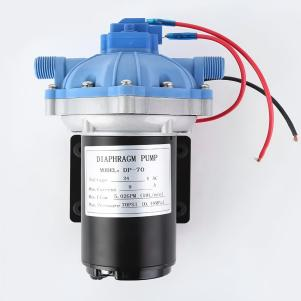
    Access to clean and reliable water is a fundamental necessity, yet millions of people in rural and remote areas around the world — particularly across Africa, the Middle East, and parts of Asia — still struggle with inadequate water supply systems. In off-grid locations where electricity is unreliable or nonexistent, traditional AC pumps often fall short. This is where DC (Direct Current) water pumps step in as a game-changing solution. At FUZHOU MASTER EAGLE ELECTRICS CO., LTD, we have been manufacturing high-performance DC water pumps designed specifically to meet the challenges of remote water supply. Here's why DC water pumps are increasingly becoming the go-to choice for rural applications. 1. Off-Grid Compatibility — Perfect for Remote Areas The single biggest advantage of DC water pumps is their ability to run on battery power or solar energy. In rural villages, farms, and construction sites where grid electricity is unavailable or unstable, DC pumps can operate efficiently using: Solar panels (PV systems) Deep-cycle battery banks Automotive batteries (12V/24V) This makes them ideal for applications such as livestock watering, irrigation, and household water supply in off-grid communities. 2. Energy Efficiency That Saves Money DC pumps consume significantly less power than their AC counterparts. A typical DC diaphragm pump like MASTER EAGLE's 35-50 PSI High Flow Self-Priming DC Diaphragm Pump can deliver excellent flow rates while drawing minimal current. This means: Lower electricity or solar panel costs Extended battery life between charges Reduced long-term operational expenses For rural communities and farms operating on tight budgets, this energy efficiency directly translates into lower total cost of ownership. 3. Simple Installation and Low Maintenance DC water pumps are inherently simpler in design than AC pumps. They don't require complex inverters, phase converters, or extensive wiring. Most DC pumps from MASTER EAGLE are: Plug-and-play — connect to a battery or solar panel and start pumping Self-priming — no manual priming needed Compact and lightweight — easy to transport and install in remote locations Built to last — with robust diaphragm and brushless motor technologies 4. Versatile Applications Across Rural Needs DC water pumps are incredibly versatile. Some of the most common rural applications include: Application Recommended DC Pump Type Household water supply from tanks DC Diaphragm Pump (35-55 PSI) Livestock watering High-flow DC Transfer Pump Small-scale irrigation Submersible DC Pump Rainwater harvesting systems Self-priming DC Pump Drinking water from wells DC Submersible Pump MASTER EAGLE's product lineup includes everything from the compact F33 12V/24V DC diaphragm pump to the 01501 Submersible DC Pump, covering a wide range of head heights and flow. For food-grade applications, the DC 12V booster beverage diaphragm pump is a reliable choice. 5. Safe Operation in All Conditions DC pumps operate at low voltage (12V or 24V), making them inherently safer than high-voltage AC pumps in rural environments where electrical safety awareness may be limited. There's no risk of electrocution from exposed wiring, and the pumps can safely operate in damp or wet conditions — a common reality in agricultural settings. 6. Solar Integration — The Path to True Water Independence One of the most powerful combinations for rural water supply is pairing DC pumps with solar panels. The CHM-DC Series automatic multi-stage inverter water pump integrates perfectly with solar systems, offering intelligent control and exceptional energy efficiency. A solar-powered DC pumping system: Runs entirely on free solar energy during daylight hours Stores excess water in elevated tanks for 24/7 availability Requires no fuel, no grid connection, and minimal maintenance Works perfectly in sun-rich regions like Africa and the Middle East This makes solar DC pump systems an ideal solution for off-grid villages, remote farms, and humanitarian water projects. Why Choose MASTER EAGLE for Your DC Water Pump Needs? With years of manufacturing experience and a strong global supply chain across Fujian and Zhejiang provinces, FUZHOU MASTER EAGLE ELECTRICS CO., LTD delivers: Strict quality control — international standards from material to final product Competitive pricing — direct factory pricing with no middlemen End-to-end support — from product selection to after-sales maintenance Custom solutions — tailored DC pump configurations for specific projects Final Thoughts DC water pumps are not just an alternative — they are often the only practical solution for bringing reliable water supply to rural and remote areas. With their energy efficiency, off-grid compatibility, simple installation, and versatile applications, they empower communities and businesses to achieve water independence. Whether you need a pump for a small household water system, a livestock farm, or a large-scale irrigation project, MASTER EAGLE has the right DC water pump for you. Contact us today to discuss your rural water supply project and find the perfect DC pump solution.
    Read More
  • Why Intelligent Inverter Pumps Are the Future of Water Pressure Management
    Apr 28, 2026
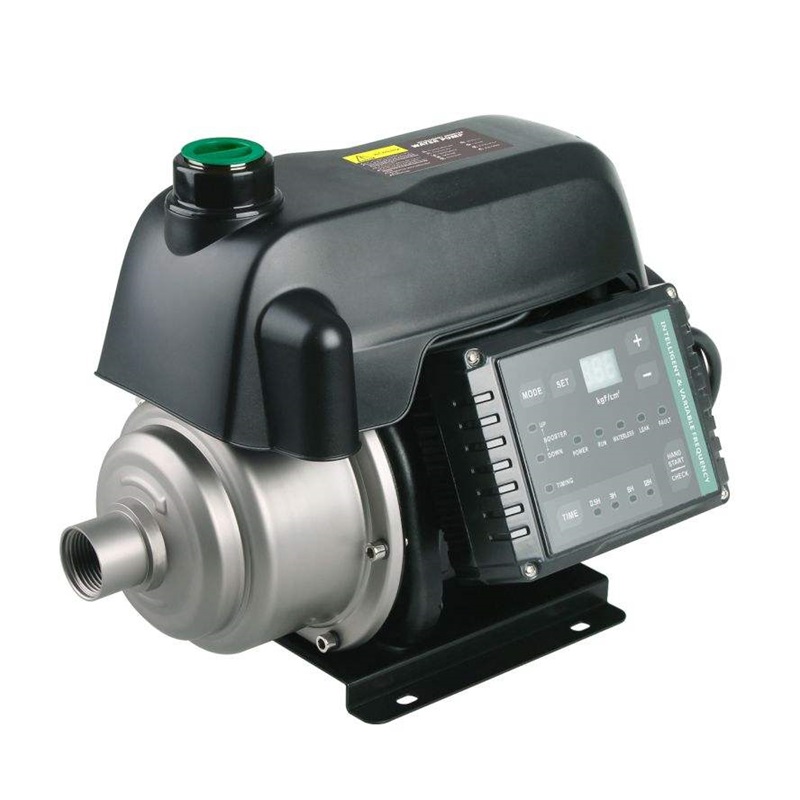
    Have you ever wondered why some buildings never seem to run out of strong water pressure, while others struggle every time a second tap opens? The answer lies in the pump technology behind the walls. For decades, water pressure management relied on constant-speed pumps that had no way to adapt. Today, that is changing — and the intelligent inverter pump is leading the revolution. Unlike conventional pumps that run at a fixed speed regardless of need, an inverter pump uses Variable Frequency Drive (VFD) technology to think on its feet. It senses exactly how much water is being used and adjusts its motor speed instantly. No waste. No pressure drops. No energy burned for nothing. What Makes a Pump "Intelligent"? An intelligent inverter pump is fundamentally different from a traditional pump in one important way: it has a brain. A built-in micro controller constantly reads the water pressure in the pipes. When it detects that pressure has dropped because someone opened a tap, it tells the motor to speed up. When the tap closes and pressure rises, it tells the motor to slow down. This real-time feedback loop means the pump never runs faster than it has to. The result is smooth, silent, and highly efficient operation that traditional pumps simply cannot match. MASTER EAGLE's CHM-DC Series Intelligent Inverter Pump is designed around this principle. It combines a multi-stage centrifugal pump body with a smart VFD controller, delivering precisely the right pressure for every situation. Section 1 — How a Traditional Pump Wastes Energy To appreciate the inverter pump, it helps to understand what it replaces. A standard AC pump works like a light switch — it is either ON at full power or OFF completely. When it turns on, it pushes water at maximum pressure, even if only a small trickle is needed. When no one is using water, the pressure builds to the cut-off point, the pump shuts off, and the cycle repeats. This "start-stop" cycling is inefficient for three reasons: High inrush current every time the motor starts, spiking electricity consumption Pressure surges that stress pipes, joints, and fixtures Mechanical wear from frequent hard starts and stops In contrast, an inverter pump glides smoothly between speeds, eliminating these problems entirely. The APG Series variable frequency booster pump from MASTER EAGLE uses a permanent magnet synchronous motor that is far more efficient than the induction motors found in traditional pumps. Section 2 — Real Places Where Inverter Pumps Make a Difference Intelligent inverter pumps are already transforming water pressure management across different environments. Here is how they perform in three real-world settings: Setting Without Inverter Pump With Inverter Pump 3-story villa, 4 bathrooms Pressure drops when 2 showers run simultaneously; pump cycles on/off loudly all day Steady pressure regardless of usage; pump hums quietly and only works as hard as needed Small hotel with 20 rooms Guests complain about weak showers during peak hours; electricity bill is high All rooms get consistent pressure; energy cost drops noticeably within months Farm irrigation for 2 hectares Manual valves cause water hammer; pump runs at full speed even for drip irrigation Automated pressure control; pump matches the exact flow rate of each irrigation zone These are not hypothetical scenarios. They are exactly the kind of problems that MASTER EAGLE's Self-priming Inverter Water Pump CHM-Z Series solves for customers around the world every day. Section 3 — The Technology Inside: VFD + Permanent Magnet Motor The heart of an intelligent inverter pump is the Variable Frequency Drive. The VFD converts incoming AC power to DC, then synthesizes it back to AC at whatever frequency the motor needs. Changing the frequency changes the motor speed — and therefore the pump's flow rate and pressure. When paired with a permanent magnet synchronous motor (PMSM), the efficiency gains are dramatic: Induction motor (traditional): 70-80% efficiency PMSM (inverter pump): 90-95% efficiency Overall system energy savings: 30-60% The APG Series is a prime example of this technology in action. Its permanent magnet motor generates more torque per amp than conventional motors, meaning it delivers more water with less electricity. Section 4 — Longevity: Why Inverter Pumps Outlast Traditional Ones A pump's lifespan is largely determined by how gently it is treated. Traditional pumps experience violent pressure spikes every time they start, which stresses seals, bearings, and impellers over time. Inverter pumps, by contrast, start softly and ramp up gradually. The CHM-DC Series features built-in soft-start, dry-run protection, and over-temperature safeguards — all of which contribute to a service life that can exceed 10 years with proper maintenance. That is significantly longer than the typical 5-7 year lifespan of a standard pump. Other durability features include: Anti-freeze cycling to protect the pump in cold climates Stainless steel pump body for corrosion resistance Sealed electronics immune to dust and moisture Section 5 — Smart Control: WiFi and Remote Management One of the most exciting developments in modern inverter pumps is WiFi connectivity. MASTER EAGLE's intelligent pump systems allow users to: Monitor real-time pressure and power consumption from a smartphone Set schedules for different pressure levels throughout the day Receive alerts if the pump detects a leak or abnormal operation Adjust settings remotely without needing to visit the installation site This level of control was previously reserved for large commercial building management systems. Today, it is available for homes, farms, and small businesses — at a fraction of the cost. Section 6 — The Cost Question: Is an Inverter Pump Worth the Investment? It is true that an intelligent inverter pump costs more upfront than a standard pump. A high-quality unit like the CHM-DC Series may cost 2-3 times what a basic pressure pump costs. However, the total cost of ownership tells a different story. A typical household using a traditional pump might spend approximately $400-600 per year on electricity for water pumping. An inverter pump can cut that to $200-300. Add in reduced maintenance costs and longer lifespan, and the payback period is typically 12-18 months. After that, every year of operation is pure savings — making the inverter pump the more economical choice over any meaningful time horizon. The Verdict: A Smarter Way to Move Water Intelligent inverter pumps are more than just a technological upgrade. They represent a fundamental shift in how we think about water pressure management — from brute force to precision, from constant waste to adaptive efficiency. MASTER EAGLE offers a full range of inverter pump solutions, from the compact CHM-Z Series for homes to the high-flow CHM-DC Series for commercial applications. Each pump is built to the same rigorous quality standards that have made MASTER EAGLE a trusted name in water systems across the Middle East, Africa, and beyond. Contact us today to find the intelligent inverter pump that fits your water pressure needs.
    Read More
  • Why Intelligent Inverter Pumps Are the Future of Water Pressure Management
    May 07, 2026
    Introduction Water pressure problems are a universal headache — whether you're running a household in a suburban villa, managing an apartment building, or operating a commercial facility. Fluctuating pressure, skyrocketing electricity bills, and noisy pump operation are complaints we hear every day. Enter the intelligent inverter pump — a game-changing solution that combines Variable Frequency Drive (VFD) technology with smart control systems. These pumps don't just move water; they think about how to do it efficiently. At MASTER EAGLE, we've been at the forefront of this technology, manufacturing intelligent inverter pumps that are transforming water pressure management across residential, commercial, and agricultural applications worldwide. What Is an Intelligent Inverter Pump? An intelligent inverter pump, also known as a VFD water pump or variable frequency drive pump, is a water pump equipped with an integrated VFD controller that automatically adjusts the motor speed based on real-time water demand. Unlike traditional pumps that run at full speed all the time — wasting energy and putting stress on the plumbing system — an intelligent inverter pump continuously modulates its speed. When you open a tap, the pump speeds up. When you close it, the pump slows down or stops. The result? Constant water pressure, dramatically reduced energy consumption, and longer equipment life. How VFD Technology Works in Water Pumps The heart of an intelligent inverter pump is its Variable Frequency Drive. Here's a simplified breakdown of how it works: Component Function Pressure Sensor Continuously monitors outlet water pressure in real time VFD Controller Adjusts the frequency and voltage supplied to the motor Permanent Magnet Motor Converts electrical energy into mechanical rotation with high efficiency LCD Display Panel Shows operating status, pressure settings, and fault alerts Wi-Fi Module (Optional) Enables remote monitoring and control via smartphone APP The system works in a closed-loop feedback cycle: the pressure sensor detects any drop or rise in water pressure → the VFD controller instantly adjusts the motor speed → the pump delivers precisely the flow needed to maintain the target pressure. Key Benefits of Intelligent Inverter Pumps 1. Energy Savings of Up to 60% Traditional fixed-speed pumps operate at 100% capacity regardless of actual demand. In contrast, an intelligent inverter pump only uses the energy required for the current demand level. By eliminating unnecessary full-speed operation, energy savings of 30%–60% are commonly achieved — a significant reduction in operational costs over the pump's lifespan. 2. Constant Water Pressure No more dealing with pressure drops when someone turns on a second tap or flushes a toilet. The VFD system ensures the water pressure remains perfectly stable, providing a comfortable and consistent user experience. 3. Reduced Noise Levels Because the pump rarely runs at full speed, intelligent inverter pumps operate much quieter than traditional pumps. The CHM-DC series from MASTER EAGLE, for example, features low-noise operation that makes it ideal for residential installations where noise is a concern. 4. Extended Equipment Lifespan Traditional pumps suffer from frequent start-stop cycles and continuous high-speed operation, leading to accelerated wear on bearings, seals, and impellers. VFD technology provides soft-start and soft-stop functionality, dramatically reducing mechanical stress and extending the pump's service life. 5. Smart Control and Remote Monitoring Modern intelligent inverter pumps come with Wi-Fi connectivity and dedicated mobile apps. Users can start or stop the pump, set desired working pressure, and monitor performance — all from their smartphone, anytime, anywhere. MASTER EAGLE's Intelligent Inverter Pump Series Our CHM-DC series inverter pump exemplifies the best in intelligent water pump technology. Available in multiple configurations to suit different applications: Model Power Max Flow Max Head Voltage Inlet/Outlet CHM4-4DC 3 HP / 2.2 kW 10.5 m³/h 82 m 220V 50/60Hz 1" x 1" CHM6-4DC 3 HP / 2.2 kW 10.5 m³/h 82 m 220V 50/60Hz 1 1/4" x 1" CHM8-3DC 3 HP / 2.2 kW 13 m³/h 55 m 220V 50/60Hz / 380V 3~ 1 1/2" x 1 1/2" CHM12-3DC 3 HP / 2.2 kW 16 m³/h 55 m 220V 50/60Hz / 380V 3~ 2" x 2" All models feature SUS304 stainless steel pump bodies, permanent magnet synchronous motors, digital LCD control panels, and multiple operating modes including booster-up, booster-down, and timed tank filling. Applications Across Industries Intelligent inverter pumps are versatile enough to serve a wide range of applications: Residential Water Supply: Constant pressure for showers, faucets, and appliances in multi-story homes and villas Water Pressure Boosting: Ideal for areas with low mains water pressure or buildings with rooftop tanks Irrigation Systems: Efficient water delivery for farms, greenhouses, and landscaped gardens Cooling and Heating Systems: Circulation pumps for HVAC and industrial process systems Water Transfer: Reliable pumping for water storage and distribution networks Why Choose MASTER EAGLE as Your Intelligent Inverter Pump Supplier? When selecting a partner for your water pumping needs, quality and reliability matter. Here's why MASTER EAGLE stands out: ✅ CE-Certified Quality: Every pump undergoes rigorous testing before shipment ✅ OEM/ODM Capabilities: Custom voltage, frequency, and branding options available ✅ Global Export Experience: Serving clients across the Middle East, Africa, and beyond since 2017 ✅ End-to-End Support: From installation guidance to after-sales maintenance ✅ Competitive Pricing: Factory-direct pricing with no middleman markup Conclusion The shift from traditional fixed-speed pumps to intelligent inverter pumps is not just a trend — it's the future of water pressure management. With VFD technology delivering energy savings, constant pressure, quiet operation, and smart connectivity, these pumps represent a smarter investment for any water system. Whether you're a homeowner looking to upgrade your water pressure, a contractor specifying equipment for a new building, or a distributor seeking a reliable self-priming inverter water pump, MASTER EAGLE's product line delivers the performance, durability, and value you need. Contact us today to discuss your project requirements and discover the MASTER EAGLE difference.
    Read More
  • How VFD Technology in Inverter Pumps Saves Up to 60% on Energy Costs
    May 11, 2026
    When it comes to reducing operational expenses in water supply systems, one technology stands out: Variable Frequency Drive (VFD) technology. Combined with intelligent inverter pumps, VFD technology can achieve energy savings of up to 60% compared to traditional constant-speed pumps. But how exactly does this work, and what does it mean for your business? In this article, we break down the science behind VFD energy savings, real-world performance data, and why MASTER EAGLE inverter pumps are engineered to maximize efficiency. What Is VFD Technology? A Variable Frequency Drive (VFD) is an electronic controller that adjusts the frequency and voltage supplied to an electric motor. By varying the motor speed to match actual demand — rather than running at full speed all the time — a VFD eliminates wasted energy. In traditional pumps, the motor runs at a constant speed regardless of water demand. Excess pressure is relieved through mechanical valves, wasting significant amounts of electricity. With VFD technology, the pump precisely matches speed to flow requirements, delivering only the power needed at any given moment. The Affinity Laws: The Science Behind the Savings The energy-saving potential of VFD pumps is rooted in the Affinity Laws of centrifugal pumps: Flow ∝ Speed: Pump flow is proportional to motor speed. Pressure ∝ Speed²: Pressure increases with the square of speed. Power ∝ Speed³: Power consumption is proportional to the cube of speed. This cubic relationship is the key. If you reduce pump speed by just 20%, power consumption drops by nearly 50% (0.8³ = 0.512). A 30% speed reduction cuts power usage by approximately 66%. This is why VFD inverter pumps can achieve energy savings of 60% or more in real-world applications. Traditional Pumps vs. VFD Inverter Pumps: A Cost Comparison Factor Traditional Constant-Speed Pump VFD Inverter Pump Motor Speed Fixed (100% always) Variable (matches demand) Energy Consumption 100% at all times 40–70% of rated (partial load) Pressure Regulation Control valve (inefficient) Variable speed (efficient) Start-up Current High (6–8x rated) Soft start (low inrush) Annual Electricity Cost (Example) $2,800 ~$1,120 (60% savings) Motor Wear & Tear High (mechanical stress) Low (smooth operation) Real-World Energy Savings with MASTER EAGLE Intelligent Pumps Our Intelligent Inverter Pump series incorporates advanced VFD control with a permanent magnet synchronous motor (PMSM), delivering exceptional efficiency across the entire operating range. Unlike induction motors used in conventional pumps, the PMSM rotor maintains synchronism with the stator field, eliminating slip losses and improving part-load efficiency by an additional 5–10%. In field tests: A 3HP Variable Frequency Pump operating in a residential boosting application achieved 62% energy savings compared to the previous constant-speed system. Customer water pressure remained perfectly constant at the set point, with zero complaints about pressure fluctuations. Motor noise was reduced by 40%, and vibration decreased significantly, extending the service life of pipes and fittings. Additional Benefits Beyond Energy Savings VFD technology doesn't just save electricity. It provides a range of operational and maintenance benefits: Soft Start & Stop: Eliminates water hammer and pipe surge, reducing the risk of burst pipes and fitting damage. Constant Pressure: Maintains a consistent water pressure regardless of how many taps are open — no more pressure drops when someone turns on a shower. Extended Equipment Life: Reduced mechanical stress on seals, bearings, and impellers means fewer repairs and replacements. WiFi Remote Monitoring: Our inverter pumps connect to an intelligent APP cloud platform, allowing you to start/stop the pump, adjust pressure, and monitor energy usage from your phone anytime, anywhere. Lower Noise Levels: Operating at reduced speeds produces less noise — ideal for residential and office environments. Conclusion For any facility using pumps for water supply, pressure boosting, or circulation, switching from constant-speed pumps to VFD inverter pumps is one of the most effective energy-saving investments available. The 60% energy savings aren't just a marketing promise — they are backed by the fundamental physics of centrifugal pumps and demonstrated in real installations worldwide. If you are evaluating pump solutions for a new project or considering upgrading an existing system, contact the MASTER EAGLE team for a consultation and energy savings analysis. Let us help you reduce your operating costs while improving water system performance.
    Read More
1 2

A total of 2 pages

leave a message
leave a message
If you are interested in our products and want to know more details,please leave a message here,we will reply you as soon as we can.

Home

Products

whatsApp